
What if a medicine could stay silent in the body — until light turns it on exactly where disease is hiding?
For most of modern pharmacology, controlling a medicine has meant controlling two things: how much is given and when it is given.
A tablet is swallowed. An injection enters the bloodstream. The drug travels through the body, reaches its intended target — and inevitably encounters many places where it was never needed.
That is one of medicine’s oldest compromises.
A drug may be highly effective against its target and still cause problems because its activity is not confined to that target. Cancer drugs can injure healthy cells. Neurological drugs may affect circuits beyond those responsible for disease. Anti-inflammatory medicines can influence tissues far from the site of inflammation.
Light-switchable medicines propose a radically different layer of control.
Location.
Instead of asking only, Which medicine should we give? and What dose should we give?, photomedicine asks another question:
**Where should that medicine actually be active? ** The concept is to create drugs, prodrugs, nanoparticles or drug-delivery systems whose behaviour changes when illuminated with a particular wavelength of light. The medicine could circulate or remain positioned in the body with relatively little activity, while an external light source, fibre optic, endoscope, laser, implanted LED or another optical device activates it specifically where treatment is required.
The real goal is not simply light-sensitive drugs.
It is:
To control exactly when and where pharmacology happens.
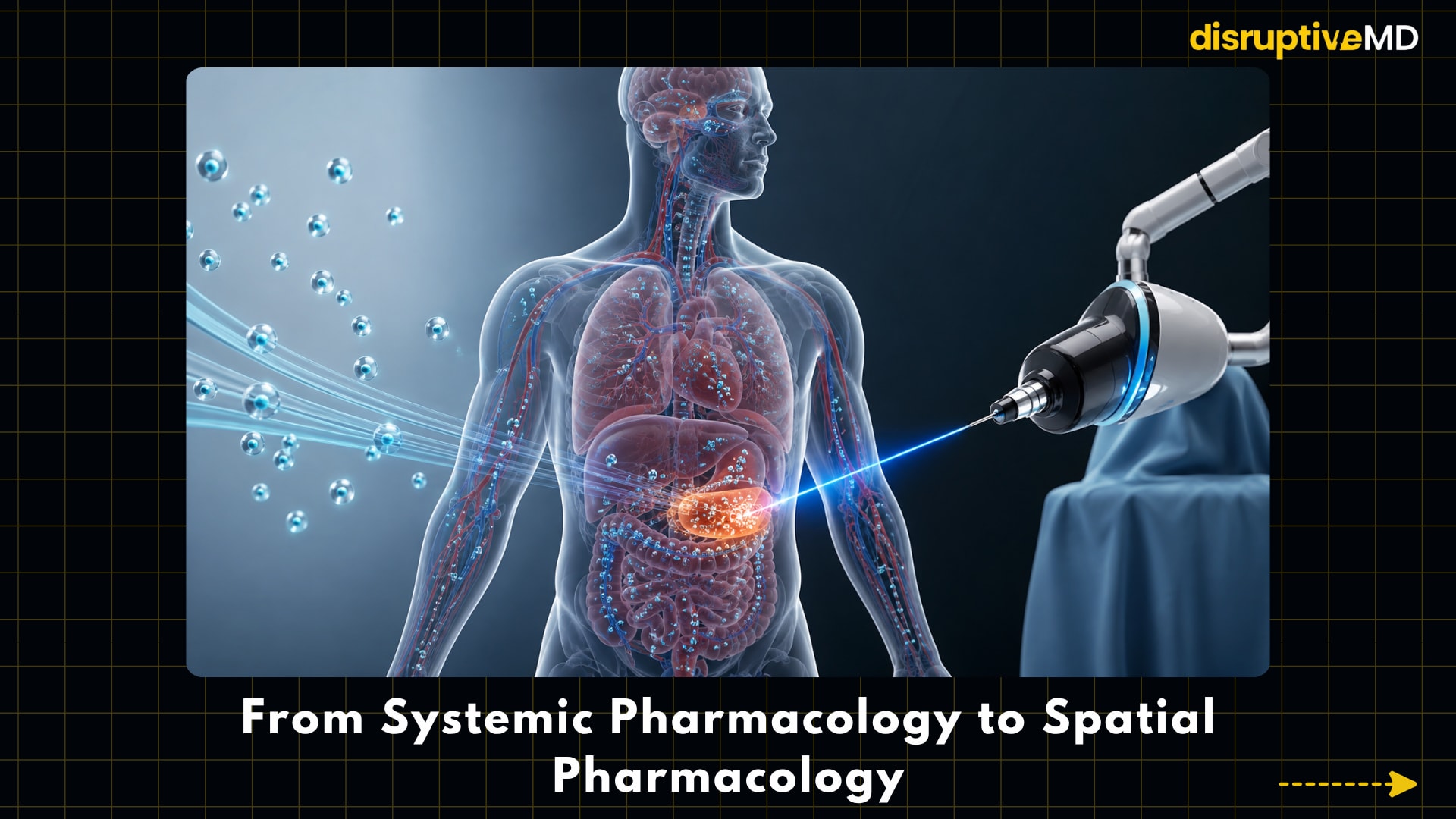
And that could turn conventional drug delivery into something much closer to spatial pharmacology.
- A conventional drug does not know where disease is.
- Modern drug design can make medicines remarkably selective for particular molecular targets, but molecular selectivity and anatomical selectivity are not the same thing.
- The medicine supplies the pharmacology. Light supplies the address.
From Systemic Pharmacology to Spatial Pharmacology
A conventional drug does not know where disease is.
Chemistry determines where it distributes, what receptors it binds, how quickly it is metabolised and how long it remains active. Modern drug design can make medicines remarkably selective for particular molecular targets, but molecular selectivity and anatomical selectivity are not the same thing.
The same receptor can exist in multiple tissues.
The same biological pathway can be useful in one organ and harmful in another.
Light potentially adds an external command.
Imagine a medicine reaching many parts of the body but remaining substantially less active until a clinician illuminates one precise region.
A tumour could be activated during an endoscopic procedure.
An inflamed joint could receive local illumination.
A photosensitive molecule inside the eye could respond to light delivered through the pupil.
A drug acting on a neural circuit could theoretically be controlled through an implanted optical interface.
The medicine supplies the pharmacology.
Light supplies the address.
This is why the field is so interesting. It does not necessarily require discovering an entirely new biological target. In some approaches, researchers take molecules that already interact with known targets and redesign them so that their activity can be changed by light.
Preclinical photopharmacology has already demonstrated optical control of multiple classes of biological targets in living systems, including receptors, ion channels and metabolic pathways. Experimental work has even shown light-dependent control of glucose homeostasis and receptor activity in vivo.
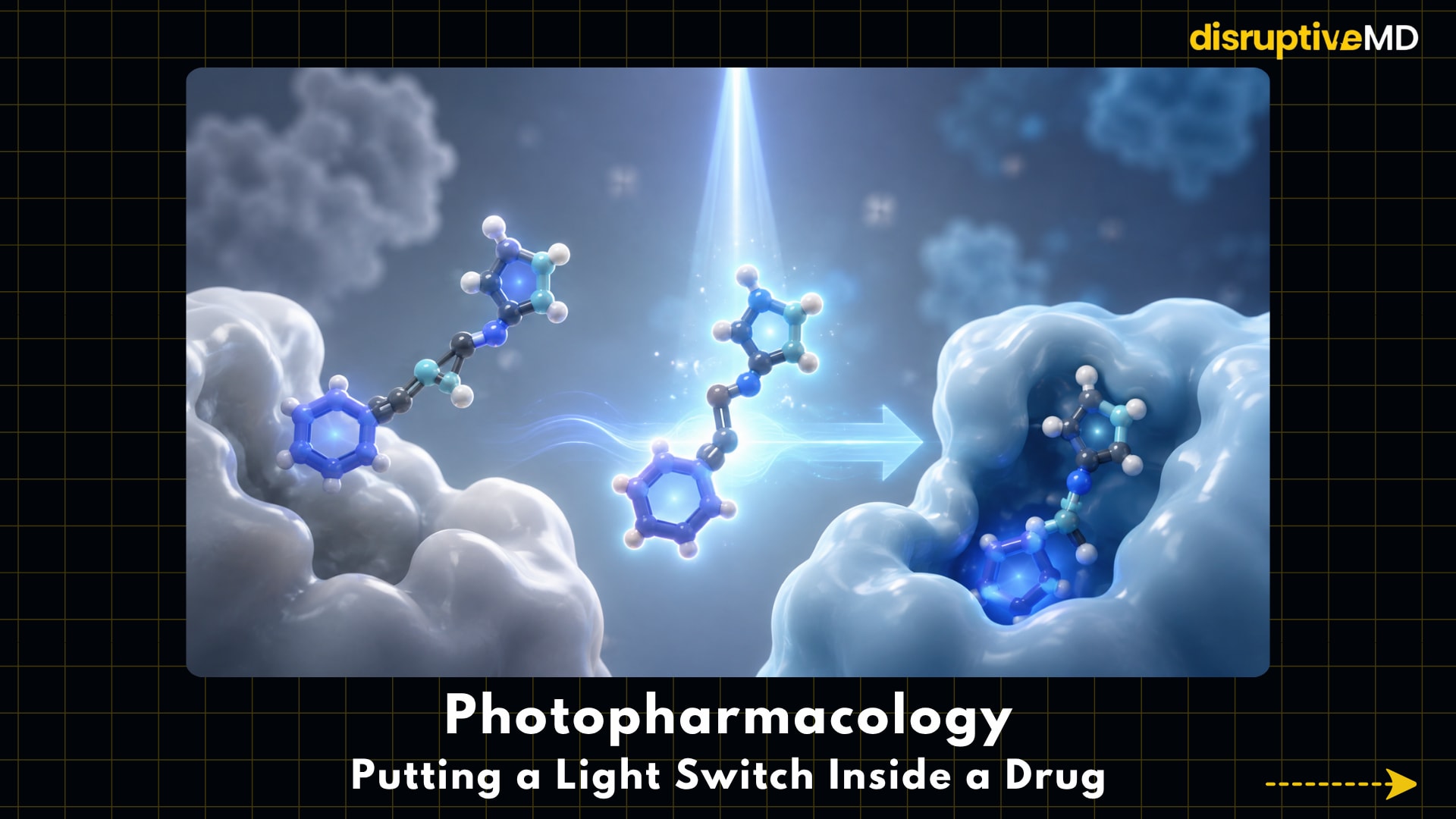
Photopharmacology: Putting a Light Switch Inside a Drug
At the heart of this idea is photopharmacology.
Photopharmacology incorporates a light-responsive chemical structure into a biologically active molecule. When the molecule absorbs a particular wavelength of light, its structure changes.
That structural change can alter how strongly the drug binds to its target.
One configuration may have high activity.
Another may have much lower activity.
Light drives the transition between them.
This means the medicine can potentially be switched between different pharmacological states without changing how much drug has been administered.
Some molecular photoswitches are reversible. One wavelength pushes the molecule toward one configuration, while another wavelength — or spontaneous thermal relaxation — moves it back.
That introduces something unusual into pharmacology:
A drug whose activity could potentially be turned up, turned down, activated and deactivated after administration.
The field is already moving beyond simple cell-culture demonstrations. A 2024 study reported a photoswitchable beta-blocking molecule with light-dependent receptor activity in vitro and in vivo. In 2026, another experimental system demonstrated optical control of a cardiac sodium channel using a photoswitchable blocker, producing wavelength-dependent modulation of cardiac function in preclinical models.
These are not routine clinical treatments.
But they demonstrate something important:
The light switch can be built into pharmacology itself.
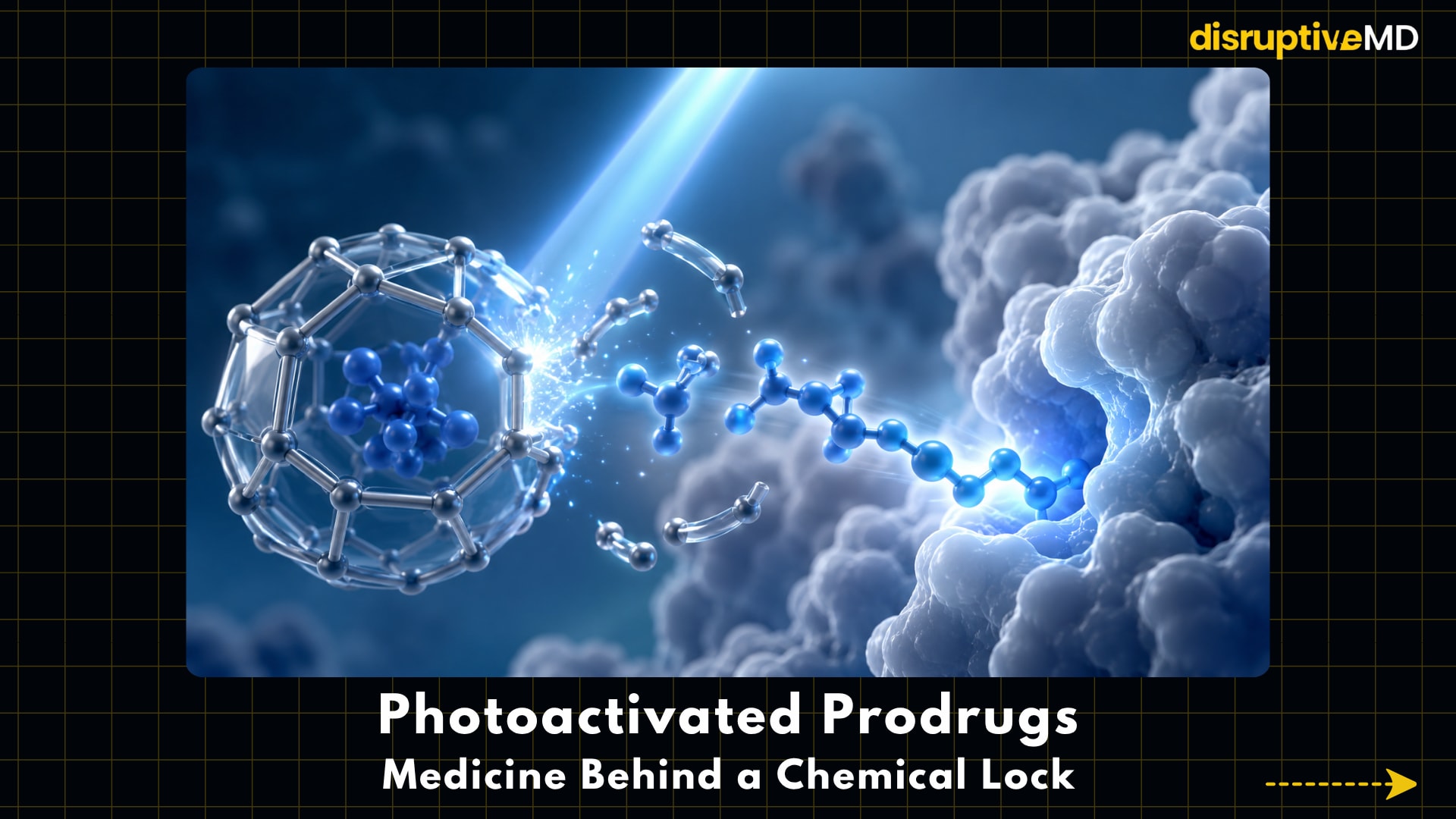
Photoactivated Prodrugs: Medicine Behind a Chemical Lock
Another strategy starts with a prodrug.
A prodrug is administered in an inactive or less active form and later converted into its active drug.
Light-responsive systems can place the active molecule behind a chemical structure sometimes described as a photocage.
Until the appropriate light arrives, the pharmacologically active component remains blocked.
Illumination breaks or transforms that chemical cage.
The active drug is released.
The attraction is easy to understand.
Imagine a highly toxic anticancer compound that is substantially restrained while travelling through the body. Once it accumulates around a tumour, light could release the active medicine predominantly within the illuminated region.
It is not absolute tumour specificity — some inactive precursor may exist elsewhere and imperfect systems may retain residual activity — but it creates an additional safety mechanism that conventional chemotherapy does not possess.
Recent laboratory research has demonstrated near-infrared-activated prodrug systems capable of combining light-triggered chemotherapy with photodynamic effects, illustrating how activation chemistry and phototherapy can potentially be integrated into a single platform.
The long-term objective is compelling:
Do not merely target where the drug travels. Control where it becomes pharmacologically dangerous.
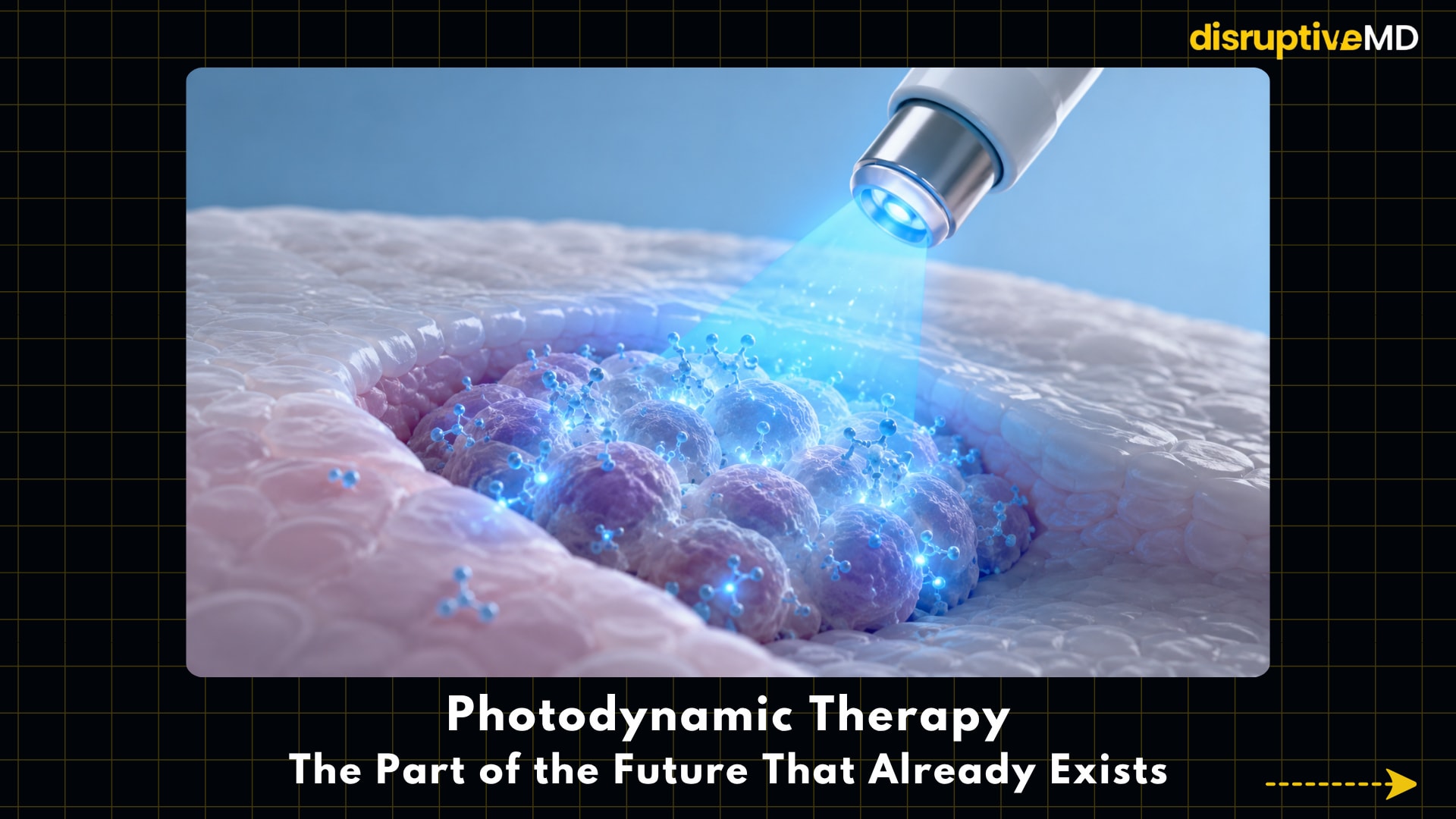
Photodynamic Therapy: The Part of the Future That Already Exists
Not every form of light-controlled medicine belongs to the distant future.
Photodynamic therapy is the most important clinical proof that drug plus light can become a practical therapeutic combination.
A photosensitising compound is administered or applied to the treatment area. Light of an appropriate wavelength then excites the photosensitiser, initiating photochemical reactions that generate reactive molecular species capable of damaging abnormal cells and surrounding biological structures.
The drug alone is not the complete treatment.
The light alone is not the complete treatment.
Therapeutic activity emerges from their interaction.
Photodynamic therapy is already used in selected accessible clinical settings, particularly where light can reach the target effectively. Recent clinical studies continue to evaluate and refine photodynamic treatment for superficial skin lesions, confirming that the concept of combining a photosensitive therapeutic agent with controlled illumination is not merely theoretical.
But photodynamic therapy also exposes the central problem that confronts nearly every light-controlled medicine.
Light has to reach the disease.
Cancer May Be the Ultimate Testing Ground
Few areas make the argument for spatial pharmacology more obvious than cancer.
Many anticancer drugs work because they damage processes that cancer cells depend upon.
Unfortunately, healthy cells may depend upon some of those same processes.
This creates the fundamental challenge of cancer pharmacology: achieving enough tumour toxicity without unacceptable toxicity elsewhere.
Light-controlled treatment could provide an additional layer of selectivity.
A drug could potentially accumulate systemically but become strongly active only within the illuminated tumour.
That could enable future strategies involving:
- local activation of anticancer molecules
- tumour-focused drug release
- light-triggered cytotoxicity
- repeated activation of the same treatment region
- combination with imaging
- activation during surgery or endoscopy
- integration of drug delivery and photodynamic therapy
Photoresponsive nanoparticles have already been engineered experimentally to combine visible-light-triggered prodrug release with photodynamic effects in tumour models. More recent work has extended the concept toward NIR-responsive systems in an attempt to make optical activation more compatible with tissue.
The important distinction is that tumour-selective light activation is not the same as perfect tumour selectivity.
Drug distribution, tumour heterogeneity, optical scattering, oxygen availability, illumination geometry and residual activity in the non-illuminated state can all influence the final result.
Cancer is therefore both one of the most exciting applications and one of the hardest tests of whether light-controlled pharmacology can move beyond elegant laboratory demonstrations.
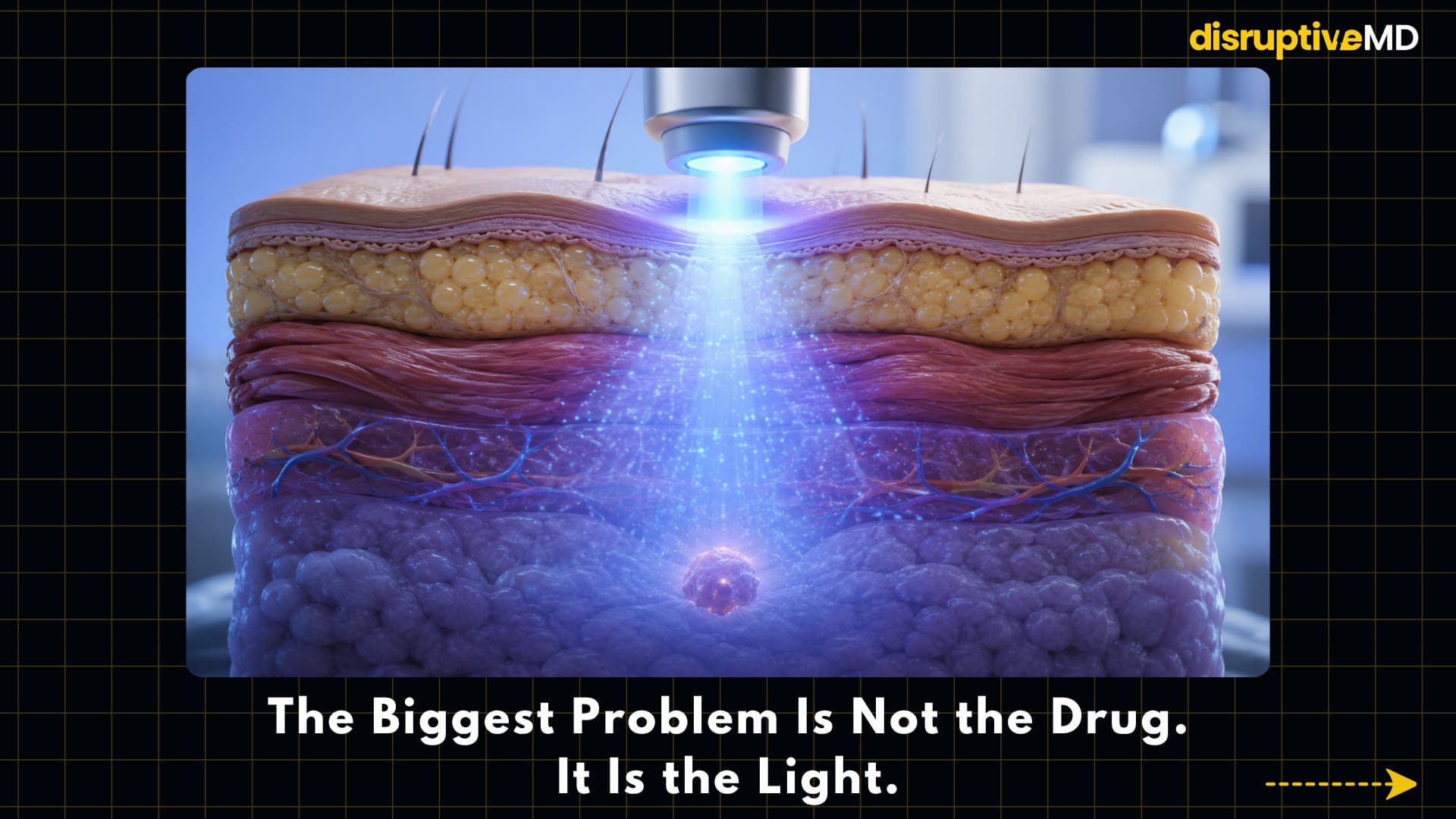
The Biggest Problem Is Not the Drug. It Is the Light.
A photoswitch can work beautifully in a laboratory dish and still struggle inside the human body.
Why?
Because tissue is not transparent.
Light is absorbed and scattered as it travels through skin, blood, fat, muscle and internal organs. The wavelength matters enormously. Shorter wavelengths commonly used by many traditional photoswitches can have limited tissue penetration and may create unwanted photochemical effects.
That creates a geographical problem.
The skin is easy to illuminate.
The eye is optically accessible.
The gastrointestinal tract can be reached using endoscopy.
A tumour exposed during surgery can be illuminated directly.
But a lesion several centimetres inside solid tissue is another problem entirely.
This is one reason the future of photopharmacology will depend as much on optical engineering as medicinal chemistry.
The question is no longer simply:
Can we build a drug that responds to light?
It becomes:
Can we safely deliver enough of the correct light to exactly the right tissue?
Why Near-Infrared Light Matters
One major strategy is to move toward longer wavelengths.
Near-infrared light is particularly attractive because it generally travels through biological tissue more effectively than ultraviolet or shorter-wavelength visible light.
That does not make tissue transparent, and NIR should not be interpreted as a universal solution for deep organs. Penetration remains finite and strongly dependent on wavelength, tissue type, optical power and geometry.
But red-shifting activation is an important direction because many early molecular photoswitches relied on ultraviolet or blue light.
The ideal future photomedicine would respond to wavelengths that are both biologically safer and capable of reaching clinically useful depths while still producing efficient molecular switching.
Research is already moving in this direction. Experimental NIR-activated prodrug systems have been demonstrated, while newer molecular designs are increasingly being optimised for red-shifted activation.
There is another clever possibility.
Some nanoparticles can absorb longer-wavelength light and convert that energy into shorter-wavelength emission locally. Instead of forcing ultraviolet or blue light to travel through tissue from the outside, the optical conversion happens close to the drug.
It is an elegant workaround.
But it also adds another layer of engineering, pharmacology, manufacturing and safety that would need to be solved before routine clinical deployment.
When Light Cannot Reach the Drug, Bring the Light to the Drug
Perhaps the most futuristic solution is also one of the most logical.
If light cannot travel from outside the body to a deep target:
Put the light source inside the body.
Miniaturised LEDs, fibre-optic probes and implantable optical devices could potentially illuminate internal treatment sites directly.
This is not purely science fiction.
Experimental implanted micro-LED systems have already been used to deliver photodynamic treatment in tumour models. Separately, researchers have developed compact wirelessly powered light-emitting devices intended for biomedical illumination, showing how the hardware required for internal photomedicine is becoming increasingly sophisticated.
Future internal light delivery could take several forms.
A surgeon could position a fibre-optic source.
An endoscope could deliver both imaging and activation light.
A flexible implant might sit next to a tumour bed after surgery.
A small wireless LED could repeatedly activate a local therapeutic depot.
Eventually, a long-term implant could potentially deliver light only when a sensor detects a biological signal.
At that point, light-switchable medicine starts merging with bioelectronics.
Photoresponsive Nanoparticles: Drug Carriers With an Optical Release Button
The medicine itself does not always need to be photoswitchable.
The container carrying the medicine can respond to light instead.
Nanoparticles can be engineered so illumination changes their structure, breaks a chemical bond, produces heat or triggers another local chemical reaction.
That change releases the drug.
Conceptually, the nanoparticle becomes a microscopic reservoir with an optical release mechanism.
This is attractive because it separates two engineering problems.
The drug can remain a conventional therapeutic molecule.
The delivery platform provides the light responsiveness.
Experimental photoresponsive nanoparticle systems have demonstrated controlled drug release and combined treatment strategies in cancer models.
Other light-responsive materials — including hydrogels — are also being explored as local depots.
Imagine an injectable or implanted drug reservoir sitting beside diseased tissue.
Instead of releasing its payload continuously, it releases more therapy only when illuminated.
That could transform an implant from a passive drug reservoir into an externally controllable therapeutic device.
Pain Treatment: Illuminate the Nerve, Not the Whole Patient
Pain medicine presents another powerful use case.
Many analgesic targets exist throughout the nervous system. A drug capable of reducing pain in one pathway may therefore alter normal signalling elsewhere.
Light-controlled analgesia asks whether some of that pharmacology could be restricted to the neural region responsible for the pain.
Experimental studies have already demonstrated in-vivo photopharmacology using light-activated opioid drugs, providing a research platform for controlling drug activity in specific neural locations and studying the neural basis of drug action.
This creates a fascinating future possibility.
A photoswitchable analgesic could be administered, while light is delivered only around a painful nerve, spinal region or other accessible target.
When illumination stops, activity could fall as the molecule switches back or clears.
The potential attraction is reduced pharmacological exposure outside the treatment site.
But this remains an experimental concept. There is currently no basis for claiming that light-switchable analgesics have eliminated systemic adverse effects, tolerance or dependence in patients.
The goal is more precise control.
Not magical pharmacology.
Neurology Without Genetically Reprogramming the Brain
Light has already become an extraordinary experimental tool in neuroscience.
One well-known research strategy uses genetically introduced light-sensitive proteins to control neurons.
Photopharmacology approaches the problem differently.
Instead of engineering neurons to become light-sensitive, researchers can design small molecules that make existing receptors or ion channels light-controllable.
That difference matters.
The intervention is pharmacological rather than necessarily genetic.
Experimental photopharmacology has already been used to manipulate neural signalling in living animals. Light-activated opioid systems have enabled local control of receptor activity, while a 2025 preclinical study demonstrated light-mediated activation of an adenosine receptor pathway capable of suppressing seizures in a mouse model.
Long-term possibilities include research into:
- epilepsy,
- movement disorders,
- chronic pain,
- neural circuit dysfunction,
- and selected neuropsychiatric conditions.
But there is a fundamental limitation.
The brain is one of the least optically accessible organs.
For many neurological applications, useful photopharmacology would therefore need either red-shifted molecules, implanted optical interfaces or both.
The future neurological treatment might consequently look less like a conventional prescription and more like a drug-device system.
The Eye Could Be One of Photopharmacology’s Natural Homes
If poor tissue penetration is the weakness of light-controlled medicine, the eye offers the opposite environment.
It is an organ built to receive light.
That makes ophthalmology particularly interesting for photopharmacology.
Instead of tunnelling through centimetres of tissue, light can reach internal ocular structures through the optical pathway.
Researchers have already investigated photoswitchable molecules capable of altering retinal signalling. A 2025 preclinical study reported a membrane-targeted photoswitch that restored organised light responses in a model of retinal degeneration.
Future applications could extend beyond vision restoration research.
Light-responsive molecules or delivery systems might eventually enable precise control of therapies inside the eye, potentially allowing treatment to be activated only when and where required.
Again, this remains a research frontier rather than established ocular pharmacotherapy.
But anatomically, the eye offers something most organs do not:
Nature has already built the optical access route.
Could Inflammation Become Locally Switchable?
Autoimmune and inflammatory disease creates another spatial problem.
Sometimes the immune system is misbehaving predominantly in one region, yet treatment affects immune activity throughout the body.
Imagine instead a photoswitchable anti-inflammatory agent.
The drug circulates in a lower-activity state.
A diseased joint is illuminated.
Local activity increases.
The rest of the body’s immune function experiences much less pharmacological interference.
In accessible inflammatory disease — skin, superficial tissues, joints reachable through optical devices or intestinal tissue accessible through endoscopy — the concept is particularly interesting.
However, this is precisely where futuristic storytelling can outrun clinical reality.
Light-switchable immunomodulation is not currently a routine method for treating autoimmune disease.
The value of the idea lies in the principle:
If disease is anatomically local, why should pharmacology always be systemic?
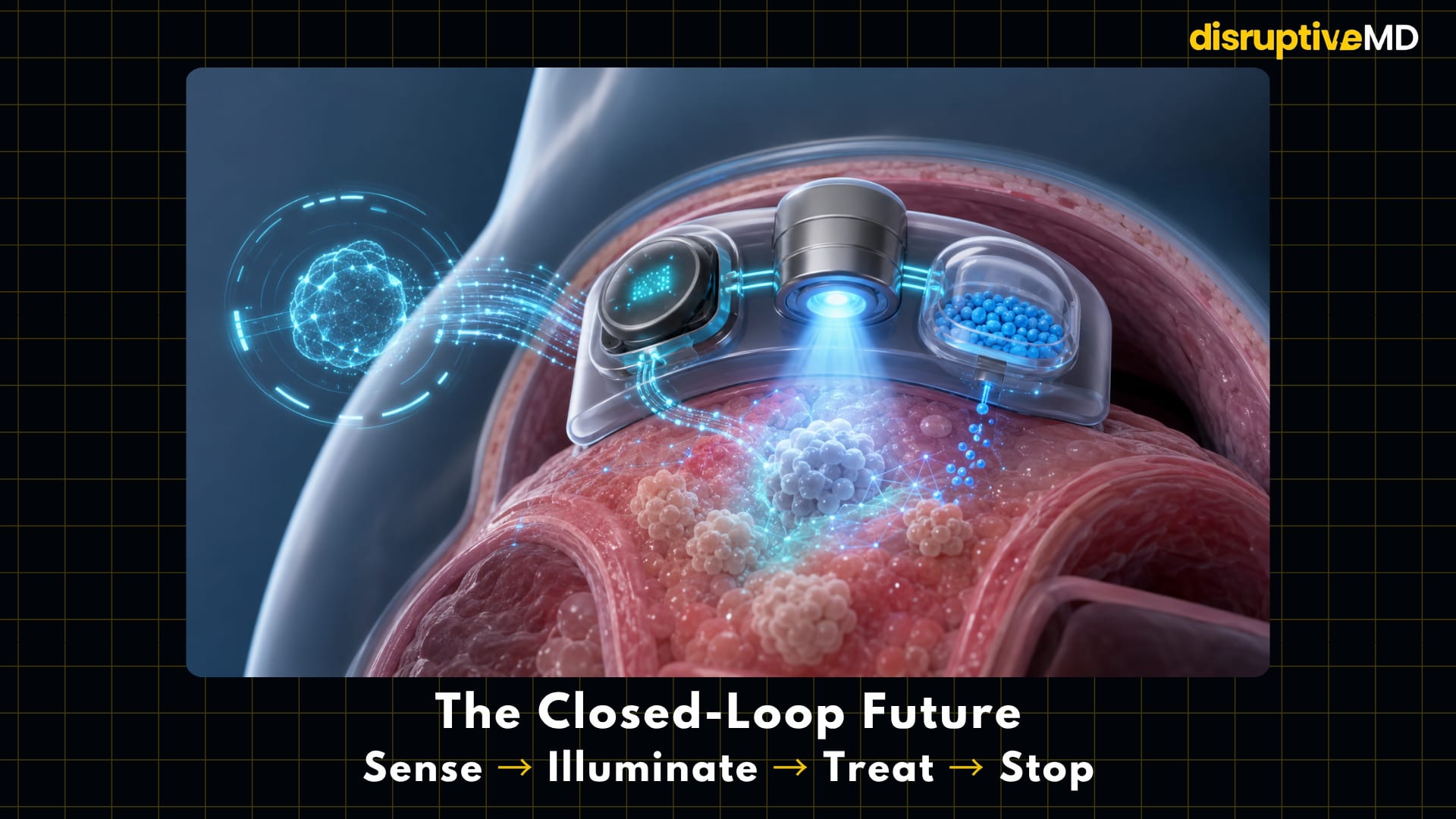
The Closed-Loop Future: Sense → Illuminate → Treat → Stop
The most disruptive version of light-switchable medicine may emerge when photopharmacology is combined with smart implants.
Imagine an implanted system surrounding a treatment site.
A sensor continuously measures a disease-related signal.
When that signal crosses a threshold, an internal micro-LED activates.
The light switches on a local drug or triggers release from a drug reservoir.
The sensor continues monitoring the tissue.
As the biological signal improves, illumination decreases or stops.
The sequence becomes:
Sense.
Decide.
Illuminate.
Treat.
Measure again.
That would represent something fundamentally different from today’s conventional prescription model.
The therapy would not simply exist in the body.
It would respond to the body.
The individual pieces of this concept — sensors, wireless implants, miniature light sources, photopharmacology and controlled drug delivery — already exist at different stages of research. Experimental wireless optofluidic platforms have even combined optical stimulation and local pharmacological delivery in living models.
What does not yet exist as routine medicine is the fully integrated, autonomous closed-loop photopharmacological implant envisioned here.
That distinction matters.
But so does the trajectory.
AI Could Help Design the Light Switch
Designing a useful photomedicine is far harder than simply attaching a photosensitive group to a drug.
The molecule must still bind the correct biological target.
It must remain stable inside the body.
Its two light-controlled states must differ meaningfully in activity.
The inactive state should ideally have very little residual effect.
The required wavelength must be biologically practical.
Switching should be efficient.
The compound must survive metabolism long enough to work.
And the photochemical reaction itself must not create unacceptable toxicity.
That is an enormous optimisation problem.
Computational chemistry and machine learning are beginning to address it.
One published computational study evaluated thousands of potential photodrug candidates across dozens of protein targets, combining molecular modelling and property prediction to search for compounds with useful switching characteristics. The work also explored candidates predicted to absorb within the near-infrared range.
The next generation of AI-supported photomedicine discovery could optimise several variables simultaneously:
target binding + switching efficiency + wavelength + stability + dark-state inactivity + pharmacokinetics + toxicity.
In other words, AI may eventually help design not simply a better drug.
It may help design a better drug switch.
The Hard Problems Light-Switchable Medicine Still Has to Solve
The idea sounds almost ideal.
Give the medicine.
Shine the light.
Treat only the disease.
Reality is much harder.
Light penetration
This remains the dominant physical limitation. Deep organs cannot simply be illuminated from outside with arbitrary precision.
Dark activity
An “off” drug may not be completely off.
Even modest residual activity becomes important when a compound circulates throughout the body.
Switching efficiency
Not every molecule exposed to light changes state. The proportion converted and the duration of the active state can influence therapeutic performance.
Phototoxicity
Light exposure, photosensitisers or photochemical products can themselves injure tissue if poorly controlled.
Drug distribution
Light cannot activate a drug that never reaches the target.
Spatial pharmacology therefore still depends on conventional pharmacokinetics.
Optical dosimetry
Wavelength is only one variable.
Intensity, exposure time, tissue depth, scattering and illuminated volume all matter.
Device complexity
An ordinary tablet requires no implanted LED, fibre optic or wireless power system.
Deep photopharmacology could transform a simple drug into a complex drug-device therapy.
Manufacturing and stability
Photoswitchable compounds must remain chemically and photochemically stable during production, storage and administration.
Clinical practicality
A treatment can work elegantly in an experimental model and still fail if illumination is too complicated, expensive, invasive or difficult to reproduce in real patients.
The winning technologies will therefore not necessarily be those with the most impressive switching chemistry.
They will be the ones that combine pharmacology, light delivery and clinical workflow into a practical system.
FACT BASE
What the science already supports
Light can provide genuine spatial and temporal control over pharmacological activity.
Photoswitchable molecules have demonstrated reversible or light-dependent changes in biological activity, including effects on receptors, ion channels and metabolic pathways in living experimental systems.
Photoactivation can control when a drug or prodrug becomes active.
Experimental systems have demonstrated light-triggered release or activation of therapeutic compounds, including nanoparticle-based and NIR-responsive anticancer prodrugs.
Photodynamic therapy provides real clinical proof of the drug-plus-light principle.
Controlled illumination of a photosensitising therapeutic agent is already being used and actively studied in selected accessible clinical conditions.
In-vivo photopharmacology is no longer limited to cell culture.
Experimental studies have demonstrated optical control of glucose-regulating drugs, beta-receptor pharmacology, opioid signalling, seizure-related neural activity, retinal function and cardiac ion-channel activity in living models.
Implantable and wireless light delivery is technically plausible.
Miniaturised implanted LEDs and wirelessly powered light-emitting devices have already been demonstrated experimentally, although widespread therapeutic drug activation with such systems is not yet routine clinical medicine.
Red and near-infrared activation are major development directions.
Longer wavelengths offer advantages for tissue penetration compared with many shorter-wavelength photoswitch systems, but they do not eliminate the fundamental limitations imposed by biological tissue. Experimental NIR-responsive therapeutic systems continue to emerge.
Computational and machine-learning approaches can help search photochemical design space.
Computational screening has already been applied to thousands of candidate photoswitchable ligands, demonstrating how algorithmic methods may help optimise future photomedicines.
What Is Real Today?
The clinically grounded part of light-controlled medicine is narrower than the futuristic vision — but it is real.
Today:
- photodynamic therapy is used in selected clinical settings
- light-responsive molecules can control biological targets in laboratory and animal models
- photoswitchable drugs have demonstrated in-vivo pharmacological control
- photoactivated prodrugs are an active research field
- photoresponsive nanoparticles and drug-delivery systems are being developed
- NIR-responsive therapeutic systems are being investigated
- fibre optics and endoscopic illumination can provide access to otherwise difficult anatomical locations
- miniature implanted and wireless light sources have been demonstrated experimentally
- computational methods are being used to search for improved photoswitchable molecules
The technology is therefore beyond the purely conceptual stage.
But most of what would make light-switchable medicine truly transformative remains preclinical.
What Is Not Fully Real Yet?
We do not currently have routine light-switchable pills that circulate harmlessly and can then be activated from outside the body inside any chosen organ.
We do not have perfect drug molecules with:
zero dark activity,
zero phototoxicity,
perfect tissue targeting,
perfect reversibility,
unlimited penetration,
and zero off-target effects.
Deep internal organs cannot simply be illuminated externally with perfect accuracy.
Implanted LEDs are not routinely placed beside tumours to switch systemic cancer drugs on and off.
Closed-loop implants are not autonomously detecting inflammation and activating photomedicines in everyday clinical practice.
Light-controlled treatments have not replaced conventional chemotherapy, neurological drugs, analgesics or immunosuppressive therapies.
And NIR light, while important, does not remove the fundamental physics of absorption and scattering in tissue.
These limitations do not weaken the idea.
They define the engineering problem that must be solved.
The Bigger Idea: Medicine Is Gaining Coordinates
Precision medicine has traditionally focused on who should receive a treatment.
Genomics asks which patient has the right molecular target.
Biomarkers ask which biological pathway is active.
AI may help decide which therapy is most likely to work.
Light-switchable medicine introduces another dimension.
Where should the treatment work?
Imagine the therapeutic equation becoming:
Right patient.
Right drug.
Right dose.
Right time.
Right location.
That last variable could fundamentally change pharmacology.
A cancer drug would not simply be selective for a molecular target.
It could become selective for an illuminated tumour.
A neurological drug would not simply interact with a particular receptor.
It could become active primarily within an illuminated circuit.
An anti-inflammatory therapy might not suppress inflammation everywhere.
It could act predominantly inside the tissue receiving light.
The medicine has chemistry.
The light adds coordinates.
The Future May Not Be a Better Pill
For more than a century, pharmacology has largely been built around molecules that start working once they enter the body.
The next generation may behave differently.
Some medicines could arrive inactive.
Some could alternate between pharmacological states.
Some could remain trapped inside light-responsive nanoparticles.
Some could sit inside implanted depots.
Some could communicate with sensors and electronics.
And some might become active for seconds or minutes only inside a few cubic millimetres of tissue.
That would blur the boundary between drug, device and digital control system.
The prescription of the future might therefore include more than a molecule.
It might include:
a molecule,
a wavelength,
an illumination location,
an optical dose,
and a control algorithm.
That is no longer conventional pharmacology.
It is programmable medicine.
Final Thought
For decades, the central question in drug development has been:
Can we design a molecule that hits the right biological target?
Light-switchable medicines ask something more ambitious:
Can we decide exactly where that molecule is allowed to work?
If that problem can be solved, medicine would gain something it has never had with this level of precision — an external switch capable of controlling pharmacology inside the body.
The next generation of medicines may not just be swallowed or injected.
They may be switched on.
References
- Remote control of glucose homeostasis in vivo using photopharmacology. Scientific Reports. 2017;7:291. DOI: 10.1038/s41598-017-00397-0.
- A high-affinity, cis-on photoswitchable beta blocker to optically control β2-adrenergic receptors in vitro and in vivo. Biochemical Pharmacology. 2024;226:116396. DOI: 10.1016/j.bcp.2024.116396.
- Visible-Light-Triggered Prodrug Nanoparticles Combine Chemotherapy and Photodynamic Therapy to Potentiate Checkpoint Blockade Cancer Immunotherapy. ACS Nano. 2021;15:12086–12098. DOI: 10.1021/acsnano.1c03416.
- Implantable micro-scale LED device guided photodynamic therapy to potentiate antitumor immunity with mild visible light. Biomaterials Research. 2022;26:56. DOI: 10.1186/s40824-022-00305-2.
- In vivo photopharmacology with light-activated opioid drugs. Neuron. 2023;111:3926–3940.e10. DOI: 10.1016/j.neuron.2023.09.017.
- Mapping the Space of Photoswitchable Ligands and Photodruggable Proteins with Computational Modeling. Journal of Chemical Information and Modeling. 2023;63:5794–5802. DOI: 10.1021/acs.jcim.3c00484.
- Wireless magnetoelectrically powered organic light-emitting diodes. Science Advances. 2024;10:eadm7613. DOI: 10.1126/sciadv.adm7613.
- A membrane-targeted photoswitch restores physiological ON/OFF responses to light in the degenerate retina. Nature Communications. 2025;16:600. DOI: 10.1038/s41467-025-55882-2.
- Photopharmacological activation of adenosine A1 receptor signaling suppresses seizures in a mouse model for temporal lobe epilepsy. Journal of Controlled Release. 2025;381:113626. DOI: 10.1016/j.jconrel.2025.113626.
- Synergistic Cancer Therapy: An NIR-Activated Methylene Blue–Nitrogen Mustard Prodrug for Combined Chemotherapy and Photodynamic Therapy. Journal of Medicinal Chemistry. 2025. DOI: 10.1021/acs.jmedchem.5c00120.
- Optical control of the cardiac rhythm with photoswitchable NaV1.5 channel blockers. Nature Communications. 2026;17:3723. DOI: 10.1038/s41467-026-70305-6.
- Home- vs clinic-based daylight photodynamic therapy for actinic keratosis: a randomized prospective study. Photodiagnosis and Photodynamic Therapy. 2024;46:104031. DOI: 10.1016/j.pdpdt.2024.104031.