
Introduction
As a field, sports medicine is transitioning from a reactive model of injury treatment, based on pain, swelling or loss of performance, to a more preventative and precision-based approach that assesses workload, quality of movement, tissue biology, recovery and neurological function prior to decision making. This change is important because sports injuries are rarely due to a single isolated event. Instead they generally occur due to the interaction between intrinsic risk factors such as previous injury, strength deficits, joint mobility, age and body size, and extrinsic risk factors such as training load, playing surface, equipment, contact exposure and recovery time . A systematic assessment of machine learning in sports injury prediction has stated that these interacting elements make the probability of injury difficult to estimate based on traditional clinical judgement alone.
The five most important disruptive innovations in sports medicine are AI-based injury-risk prediction, wearable sensors and markerless motion analysis, orthobiologics such as platelet-rich plasma, tissue-preserving ligament repair with bioactive implants and objective concussion assessment combined with digitally guided recovery. None of these technologies replace the need for trained physicians, but each one affects the way in which sports medicine quantifies risk, monitors recovery, and personalizes return-to-play decisions.
The Background: Why Sports Medicine Needs Better Measurement
The basic challenge in sport medicine is the difference between performance capacity and tissue capacity. Performance capacity is what an athlete is capable of doing i.e., sprinting, cutting, jumping, throwing, lifting, competing, etc., and tissue capacity is the amount of mechanical stress that muscles, tendons, ligaments, cartilage, bone, and the nervous system can sustain before the risk of damage increases. Clinicians typically observe the injury late in this phase, when pain and imaging have developed over weeks or months of accumulated stress. Therefore, current sports medicine is increasingly focusing on load monitoring, i.e. the assessment of exterior effort (e.g. distance, acceleration, jump count) and internal workload (e.g. heart rate, subjective exertion, weariness, and recovery status). This is described as the ability to track functional movement, biomechanical load and physiological signals in research on wearable devices, but also acknowledges that validation for clinical sports medicine is still an unmet requirement.
This measurement gap is of particular importance in return-to-play, the tiered process of determining when an athlete may safely return to training or competition following injury. Return-to-play choices have traditionally been based on a combination of symptoms, physical examination, imaging, strength testing, sport-specific workouts, and physician expertise. New technologies are being designed to incorporate objective data such movement asymmetry, tendon reaction, neuromuscular control, ligament healing and brain injury biomarkers. The goal is not to automate clearance but to decrease blind spots in judgments that affect long-term joint health, re-injury risk and athlete safety.
- Machine learning models can analyse injury-risk patterns that may be difficult for clinicians to identify manually.
- Sports injury prediction may include data such as previous injury, training load, sprint exposure, strength testing, sleep, wellness scores, and match congestion.
- AI is most useful as decision support, but its clinical value depends on whether the model works beyond the dataset it was trained on.
What the Innovations Do
1. AI-Based Injury-Risk Prediction
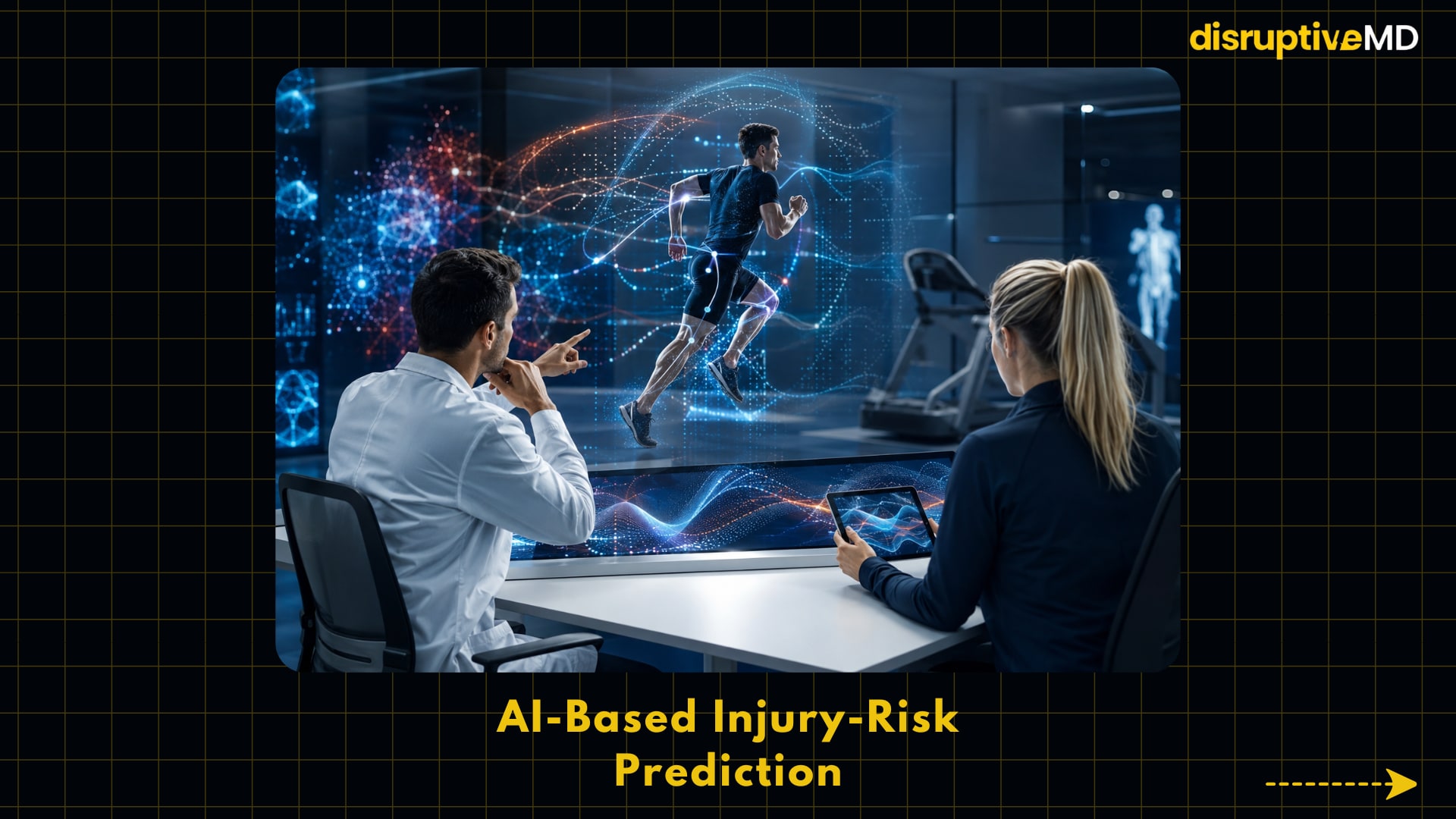
Artificial intelligence, particularly machine learning, is being applied to determine injury-risk patterns that can be difficult for clinicians to discover by hand. Machine learning is the study of computational models that learn relations from training data and are evaluated with independent data to estimate generalization to future outcomes. In the context of sports medicine, such models may include variables such as previous injury, training load, position, sprint exposure, strength testing, sleep, wellness scores and match congestion. A systematic review found tree-based ensemble models, support vector machines and neural networks were the most commonly used methods to develop machine-learning models in sports injury prediction, reporting performance ranging from weak prediction to stronger discrimination depending on the dataset and methods used.
This is important since injury prevention is not just about cutting back on exercise. Undertraining can potentially raise danger by leaving tissues unprepared to meet demands of competitiveness. AI models could help physicians and performance teams identify athletes needing modified workload, particular strength training, recovery help or increased monitoring. But the clinical usefulness hinges on how well the model performs beyond the data set it was developed on.
2. Wearable Sensors and Markerless Motion Analysis
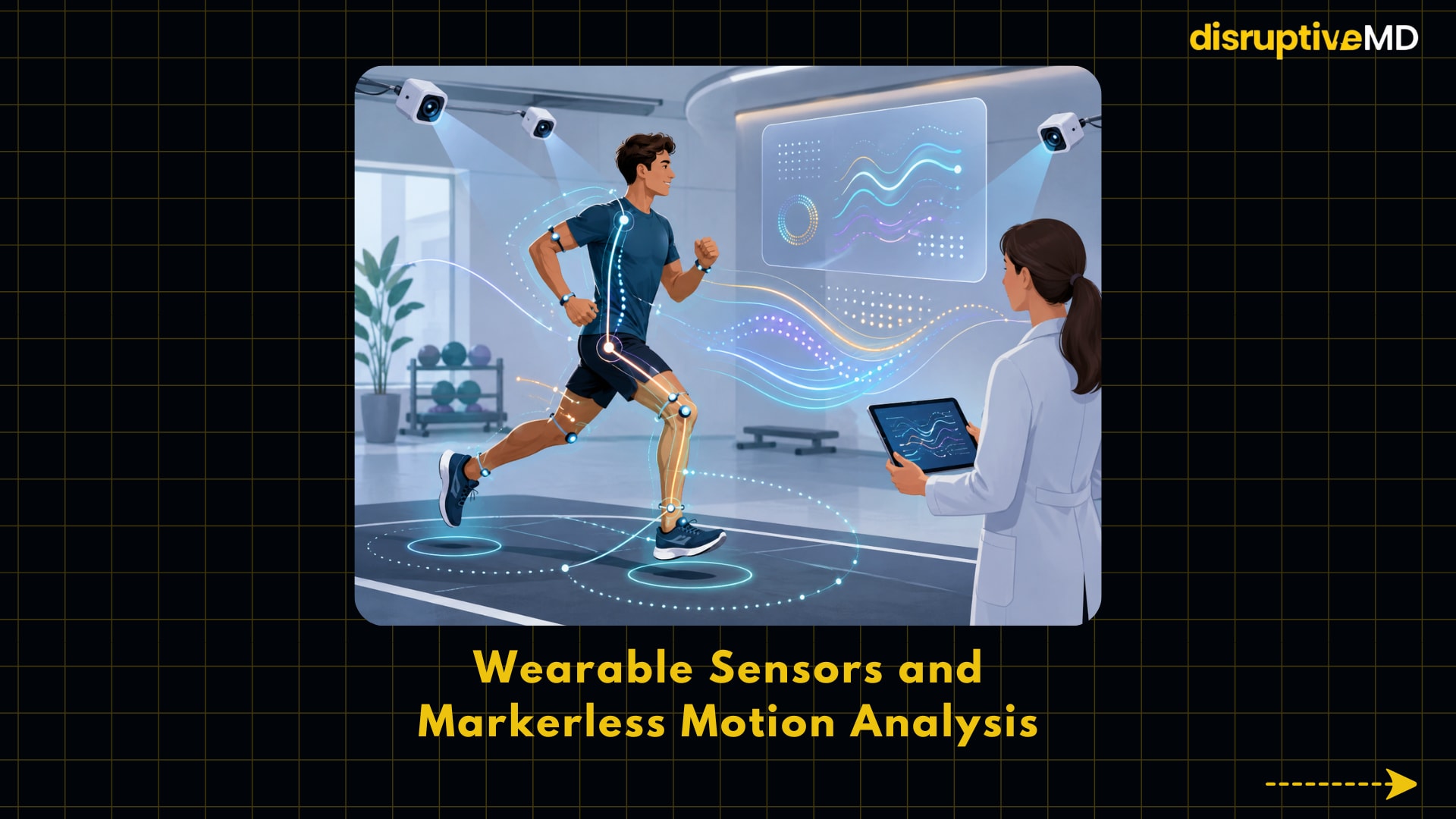
Wearable sensors are small devices that are worn on the body or implanted in equipment and record movement and physiological information. In sports medicine, these may include accelerometers, gyroscopes, GPS devices, heart-rate monitors, pressure sensors and sleep-tracking devices. These devices can estimate exterior load such as sprint distance or change of direction volume, and internal load such as cardiovascular strain or recuperation. A review in npj Digital Medicine revealed ways wearable sensors can track performance, physiology, biomechanics and biochemical signs, forming a more continuous view of athlete status than clinic-based testing alone.
Another related invention is markerless motion capture, where motion is analyzed using cameras and computer vision without reflecting markers applied to the skin. This is significant since standard laboratory motion analysis can be expensive, time consuming and difficult to apply repeatedly in real-world training scenarios. A reliability study using three-dimensional markerless motion capture in 2024 investigated 22 healthy individuals for 14 functional movements over 4 days and found good-to-excellent reliability for most measured variables .Practically, this might make movement analysis available to more rehab clinics, athletic programs, and return-to-sport testing, but the accuracy needs to be validated across injuries, sports, body types, and clinical contexts.
3. Orthobiologics and Precision Injection Therapy
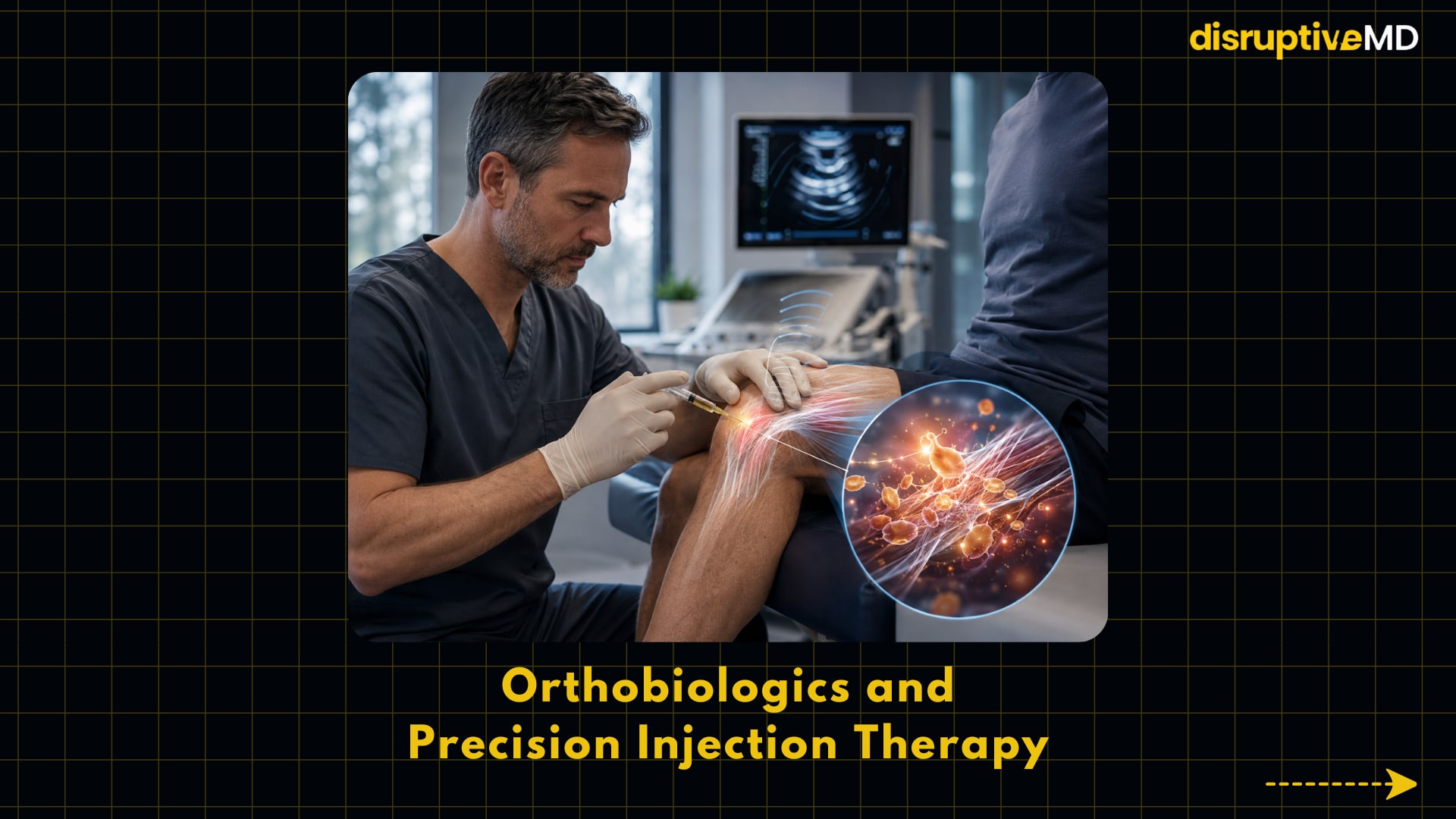
Orthobiologics are treatments that use biological substances to affect healing, inflammation or tissue repair in musculoskeletal diseases. The most frequently publicized example is platelet-rich plasma, or PRP, which concentrates platelets from the patient’s own blood and injects the mixture into a joint or tendon or soft-tissue area. Platelets are little pieces of blood cells that aid in blood clotting and wound signaling. The clinical concept behind PRP is to provide tissues that recover slowly, such as tendons or degenerative joints, with a concentrated blend of platelets and growth-factor-related signals.
There is evidence however it is condition specific. The American Academy of Orthopaedic Surgeons guideline for knee osteoarthritis suggests that PRP may enhance function and reduce discomfort in symptomatic knee osteoarthritis, but gives this a limited recommendation because to low-quality or inconsistent evidence.Systematic reviews on tendinopathy (chronic tendon pain and reduced tendon function) indicate mixed findings for different tendons, injection preparations and comparison therapies. This is important because PRP should not be portrayed as a universal “regenerative cure” but as a biologically active intervention that may benefit certain patients, although more standardization of preparation, dose, outcome measures and patient selection is still needed.
There also must be a clear line of demarcation between regulated orthobiologics and unverified commercial claims. The U.S. FDA has warned patients and health care professionals to ask whether regenerative medicine goods, including some stem-cell and exosome products, may be FDA-approved or under proper regulatory monitoring.This is clinically relevant, as sports injuries are common in the young and energetic, who may be susceptible to costly interventions promoted prior to the evidence.
4. Tissue-Preserving Ligament Repair and augmented tendon repair
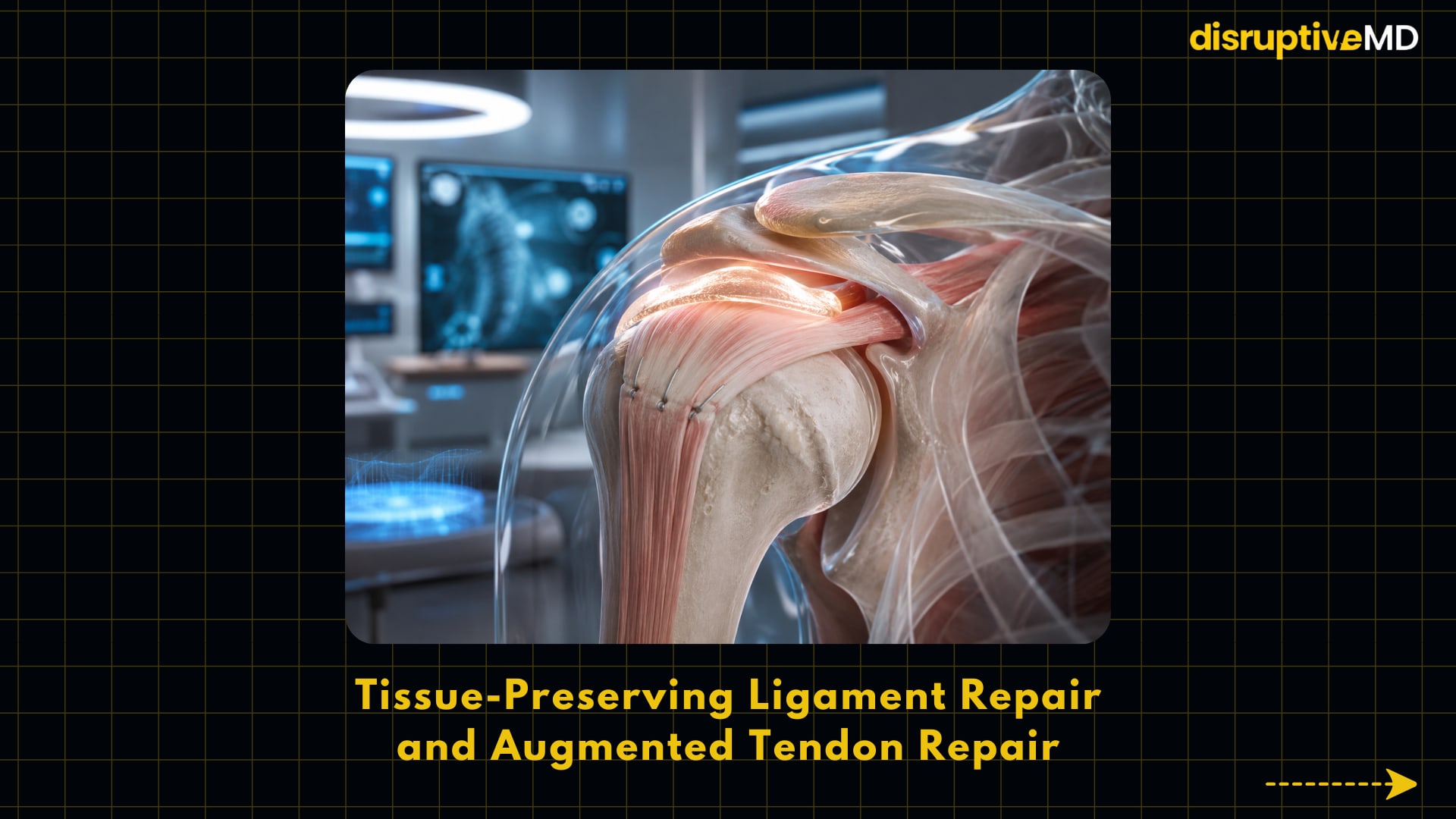
One of the most fundamental surgical changes in sports medicine is the transition from only replacing damaged tissue to promoting biological repair where the anatomy permits. Tissue-preserving ligament repair, augmented tendon repair, and bioactive implants represent a major shift in sports medicine. Tissue-preserving ligament repair aims to restore stability while maintaining the patient’s own ligament whenever the tissue quality and tear pattern are suitable. Modern techniques such as suture-tape augmentation act like a protective seatbelt, supporting the repair during early healing and rehabilitation. Current literature suggests encouraging functional recovery and return-to-sport outcomes in carefully selected ligament injuries, although long-term comparative data are still evolving. The strongest clinical impact of suture tape-augmented ligament repair in sports medicine has been seen in two high-demand athletic injuries: ulnar collateral ligament injuries of the elbow and anterior cruciate ligament injuries of the knee. In the elbow, suture tape augmentation has helped revive interest in primary UCL repair, especially in overhead throwing athletes with proximal or distal avulsion-type tears and good ligament quality. The tape functions as an internal brace, protecting the repaired native ligament while preserving anatomy, proprioception, and bone stock. This has made UCL repair a compelling alternative to traditional reconstruction in selected athletes, with reports showing favorable return-to-sport outcomes and faster rehabilitation pathways. In the knee, suture tapes and scaffolds have been used to augment ACL repairs or reconstructions, particularly in proximal ACL tears, partial tears, high-risk athletes, and biologically favorable injury patterns. The rationale is similar: protect the healing ligament or graft during early rehabilitation, reduce elongation, preserve native ACL tissue where possible, and avoid some morbidity associated with graft harvest in repair cases. However, compared with UCL repair, ACL repair with suture tape remains more selective and evidence continues to evolve Augmented tendon repair applies the same philosophy to tendon injuries, especially rotator cuff and other high-load tendon repairs. Instead of relying only on sutures and anchors, augmentation devices can improve time-zero strength, reduce cyclic creep, protect the tendon–suture interface, and create a more favorable environment for tendon-to-bone healing. Autografts add biology to structural strength: Bursa-augmented cuff repair is an emerging biologic technique in rotator cuff surgery that uses the patient’s own subacromial bursal tissue to enhance tendon healing. Bursal tissue is preserved and stitched back over the repaired rotator cuff to add structural strength and regenerative potential to the repair. Over the years, bursal tissue has demonstrated excellent regeneration potential in several lab studies globally. Lastly, bioactive implants, including bioinductive collagen scaffolds and reinforced biologic matrices, are designed to stimulate new tissue formation rather than merely provide mechanical support. In rotator cuff surgery, bioinductive collagen patches have shown promising safety profiles, improved tendon thickness, and potential reduction in retear risk, though patient selection and evidence quality remain important considerations.
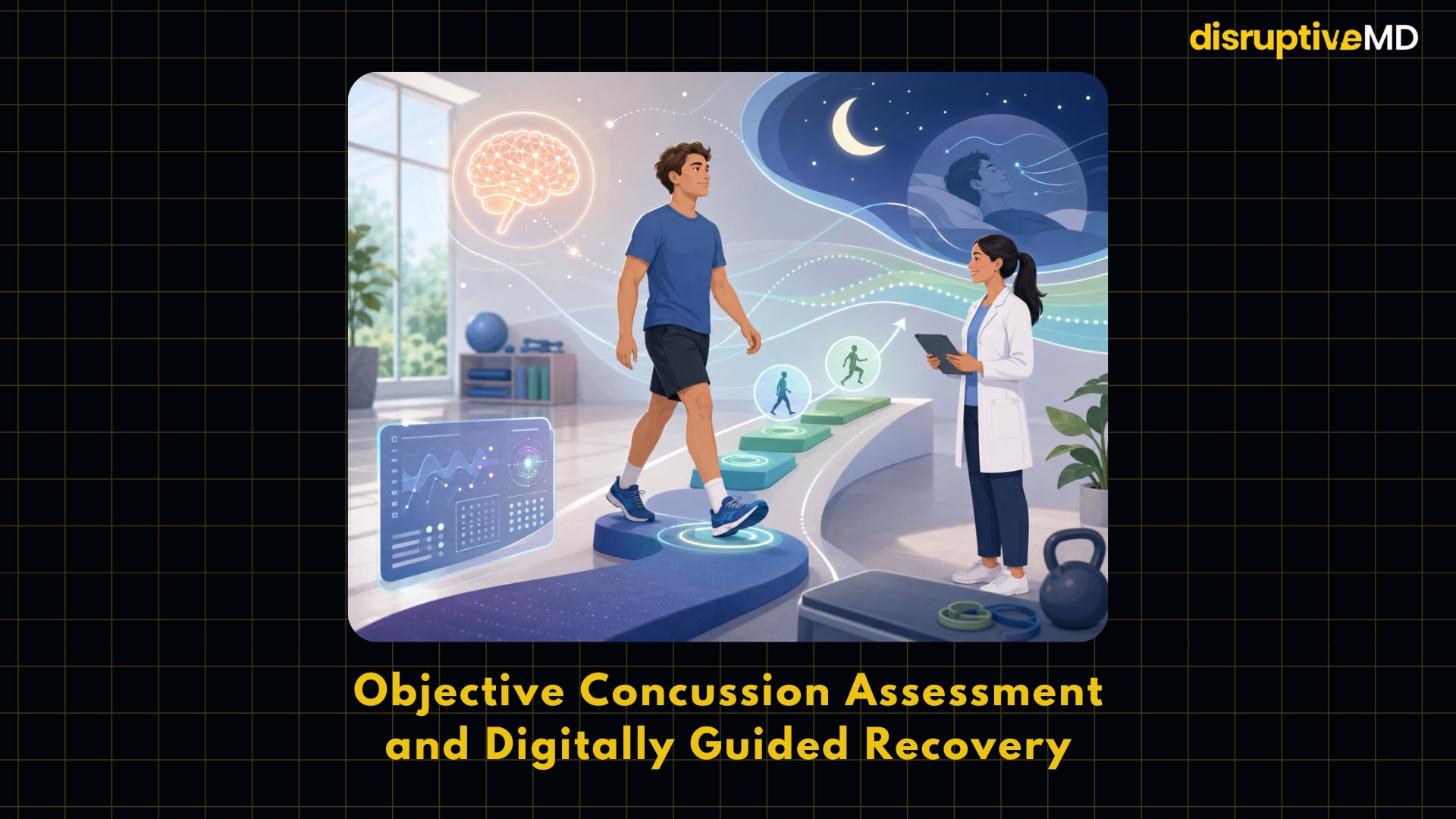
5. Objective Concussion Assessment and Digitally Guided Recovery
Sports medicine is also trending toward more objective and customized care in sports-related concussion. Concussion is a sort of mild traumatic brain injury (mTBI) induced by biomechanical stress resulting in temporary dysfunction of brain function. Symptoms can include headache, dizziness, visual disruption, slowed processing, sleep disturbance, mood abnormalities, and exercise intolerance. The issue is that routine imaging such as CT is generally normal in concussion, whereas symptoms might be mild, delayed or affected by effort, anxiety, sleep and prior injury. One approach to improving objectivity is the use of blood-based biomarkers. FDA records describe tests that detect proteins called glial fibrillary acidic protein, or GFAP, and ubiquitin C-terminal hydrolase L1, or UCH-L1, which are related to brain-cell injury and can help in the assessment of some adults with suspected traumatic brain injury. GFAP and UCH-L1 measurement is available in a single FDA-cleared whole-blood test with findings in approximately 15 minutes to aid clinical assessment in chosen patients. Another FDA document discusses a serum test to help assess adults with suspected traumatic brain injury when coupled with additional clinical information. In particular, the data for sports concussion is promising but not definitive. A 2024 teenage sports-concussion study looked at 1,023 plasma samples from 695 healthy adolescents and 154 adolescents with concussion and found sex-specific variations in various traumatic brain damage biomarkers during acute and subacute recovery.However, the Amsterdam worldwide consensus recommendations, as stated by the American Academy of Pediatrics, indicate that fluid and imaging biomarkers currently have limited clinical usefulness in the diagnosis or monitoring of recovery from sports-related concussion. That same consensus moved away from long-term rigorous rest, and favors early symptom-limited light physical activity, restricted screen exposure, and targeted cervicovestibular rehabilitation when dizziness, neck discomfort, or headache persists.This is important as concussion care is becoming more quantitative and less passive, but clearance still requires clinical judgement and a planned return-to-sport protocol.
Evidence and Real-World Meaning
AI injury prediction evidence is promising yet variable. A 2025 scoping review in the British Journal of Sports Medicine identified 38 relevant papers and concluded that the most prevalent performance indicator was the area under the receiver operating characteristic curve, or AUC, which indicates how well a model can identify higher-risk from lower-risk instances. The review also emphasized that clinical value is still hampered by sparse datasets, broad damage definitions, wide prediction windows and varied methodologies. In practice, AI may be more beneficial as a decision support tool to detect risk trends, than as a stand-alone injury prediction. Wearable sensors and markerless motion tools are closer to normal use since they collect data in the same venues that athletes train and compete. They are most useful when they answer real clinical problems, such as whether a recovering athlete is taxing both limbs equally, whether sprint exposure has increased too rapidly or whether jump mechanics have normalized following knee damage. The major drawback is that the output of devices is not inherently relevant; physicians still need to analyze signal quality, measurement error, athlete context and if a statistic is validated for a given clinical decision. Orthobiologics show significant promise, but they need more rigor in their study and use. The primary problem is well summarized in the AAOS knee osteoarthritis guideline: “PRP may improve pain and function in some patients, but the recommendation is limited because the studies vary in PRP preparation, dosing, patient selection, and outcome measurement.”In sports medicine this means PRP should be considered a selected, evidence-dependent therapy choice, not a general tissue regeneration strategy. Concussion innovation is advancing in two ways at once: more objective assessment, and more active rehabilitation. Blood biomarkers may be useful in identifying adults with suspected mild traumatic brain injury at low risk of acute CT-visible intracranial injury, however the current consensus statements for sports concussion do not recommend biomarkers as a stand-alone diagnostic or return to play tool. Digital recovery programs, exercise testing, symptom tracking and focused vestibular or cervical rehabilitation may enhance care when integrated into clinician-led protocols, but should not substitute for comprehensive neurological assessment.
Limitations, Risks, and Unanswered Questions
The biggest danger with AI in sports medicine is overconfidence. A model might work effectively within one team, one league, one age range, one sex or one sport but might not be applicable to another demographic. This is called poor external validation, meaning the model has not been tested satisfactorily outside of its original data. Injury prediction also suffers from biased data, conflicting injury definitions, missing workload variables, and overfitting, where a model learns patterns in past data that do not generalize to future athletes. As shown frequently in the systematic review literature, methodological quality and clinical implementation remain important impediments. Wearable and motion-analysis technologies pose issues of accuracy, privacy and interpretation. A sensor may record steps, acceleration or joint angles, but the clinical meaning is dependent on location, algorithm quality, calibration, sport context, fatigue, footwear, surface and injury history. Wearables generate sensitive performance and health data that can impact selection, contracts, insurance and athlete autonomy. The ethical dilemma for health systems and sports organizations is not just about whether data may be gathered, but who owns and controls it and how it is used. Orthobiologics have a different problem: biological plausibility may outpace clinical proof. PRP, stem-cell-related goods and exosome-based promises seem technically sophisticated, but clinical outcomes are dependent on the precise product, ailment, patient, injection technique, comparator treatment and period of follow-up. The FDA caution on regenerative goods is critical because it means that orthopaedic or sports injuries could be treated with unapproved products that have not been proven to be safe or effective. Bioactive ligament healing requires long-term follow-up. Decision-making surrounding return to play, which relates to brain health, requires special care in the use of concussion technologies. Normal blood test, normal CT scan or improved symptom score does not automatically suggest the brain has totally recovered for sport specific contact, speed and cognitive load. Recommendations from the current consensus still recommend a multimodal assessment including symptoms, neurological examination, cognition, balance, vestibular-ocular function, exertional tolerance, and gradual return-to-sport progression.
Conclusion
The most essential developments in sports medicine are not new technologies and procedures; they are a broader change in clinical philosophy. The AI models try to identify risk before damage. Wearables and markerless motion analysis provide objective measurement for training and rehabilitation. Orthobiologics try to change the biological environment of pain and healing, although evidence remains condition specific. Bioactive ligament repair challenges the dogma that some serious sports injuries must always be reconstructed rather than mended. Biologically and structurally augmented tendon repairs in shoulder are promising for optimizing outcomes and retear rates. Concussion biomarkers and digitally assisted recovery bring structure to an area where symptoms, safety and performance often intersect. The realistic future is an integrated sports-medicine system where clinicians mix clinical evaluation, imaging, workload data, movement analysis, biological treatments, surgical repair procedures and tailored rehabilitation. Such tools may reduce ambiguity, increase communication and personalise care, but they will not make sport risk free. Their genuine value will be dependent on validation, ethical implementation, access, cost-effectiveness and the capacity to improve outcomes that matter to patients: safer participation, less recurrent injury, better function and long-term musculoskeletal and neurological health. Evidence Rating Mixed or limited evidence. Regulatory paperwork exists for particular indications for bioactive ACL repair and certain concussion blood tests, whereas concussion rehabilitation recommendations are based on international consensus guidance. Validation data for wearable sensors and markerless motion analysis is increasing, although sport- and injury-specific clinical interpretation is still needed. AI injury prediction and orthobiologics hold promise but are inconsistent with significant limitations in study quality, standardization, external validation, and real-world clinical utility. Educational Disclaimer This information is for educational purposes only and does not substitute for professional medical advice, diagnosis, treatment, rehabilitation planning, or return-to-play clearance. Patients and athletes should seek the advice of their own physician or other certified health-care professional about diagnosis, treatment and sports participation decisions.
References
- Van Eetvelde, H., Mendonça, L.D., Ley, C. et al. Machine learning methods in sport injury prediction and prevention: a systematic review. J EXP ORTOP 8, 27 (2021). https://doi.org/10.1186/s40634-021-00346-x.
- Leckey C, van Dyk N, Doherty C, Lawlor A, Delahunt E. Machine learning approaches to injury risk prediction in sport: a scoping review with evidence synthesis. Br J Sports Med. 2025 Mar 25;59(7):491-500. doi: 10.1136/bjsports-2024-108576. PMID: 39613453; PMCID: PMC12013557.
- Seshadri, D.R., Li, R.T., Voos, J.E. et al. Wearable sensors for monitoring the internal and external workload of the athlete. npj Digit. Med. 2, 71 (2019). https://doi.org/10.1038/s41746-019-0149-2.
- Philipp NM, Fry AC, Mosier EM, Cabarkapa D, Nicoll JX and Sontag SA (2024) Biological reliability of a movement analysis assessment using a markerless motion capture system. Front. Sports Act. Living 6:1417965. doi: 10.3389/fspor.2024.1417965.
- American Academy of Orthopaedic Surgeons. Management of Osteoarthritis of the Knee: Evidence-Based Clinical Practice Guideline. 2021.
- U.S. Food and Drug Administration. Consumer Alert on Regenerative Medicine Products Including Stem Cells and Exosomes. Current as of 2024.
- Bhatia DN. Arthroscopic Bursa-Augmented Rotator Cuff Repair: A Vasculature-preserving Technique for Subacromial Bursal Harvest and Tendon Augmentation. Arthrosc Tech. 2021 Apr 3;10(5):e1203-e1209. doi: 10.1016/j.eats.2021.01.013.
- U.S. Food and Drug Administration. De Novo Classification Request Summary: BEAR Implant. DEN200035.
- U.S. Food and Drug Administration. BEAR Implant Clinical Evidence Summary. DEN200035.
- U.S. Food and Drug Administration. i-STAT TBI Cartridge 510(k) Summary. K234143.
- U.S. Food and Drug Administration. Banyan Brain Trauma Indicator De Novo Summary. DEN170045.
- Labor JB, Penner LC, Galarneau J, et al. Plasma Biomarkers of Traumatic Brain Injury in Adolescents With Sport-Related Concussion. JAMA Netw Open. 2024;7(9):e2431959. doi:10.1001/jamanetworkopen.2024.31959.
- Gavin A. Davis, Kathryn J. Schneider, Vicki Anderson, Franz E. Babl, Karen M. Barlow, Cheri A. Blauwet, Silvia Bressan, Steven P. Broglio, Carolyn A. Emery, Ruben J. Echemendia, Isabelle Gagnon, Gerard A. Gioia, Christopher C. Giza, John J. Leddy, Christina L. Master, Michael McCrea, Michael J. McNamee, William P. Meehan, Laura Purcell, Margot Putukian, Rosemarie Scolaro Moser, Michael Takagi, Keith Owen Yeates, Roger Zemek, Jon S. Patricios; Pediatric Sport-Related Concussion: Recommendations From the Amsterdam Consensus Statement 2023. Pediatrics January 2024; 153 (1): e2023063489. 10.1542/peds.2023-063489.