
Introduction
Sports physiotherapy is slowly moving away from an experience-based concept of healing to a more measured and data-supported rehabilitation model. The worry is no longer only if an athlete feels better, but whether the quality of movement, muscle strength, joint loading, fatigue response, confidence and sport-specific control has returned enough to allow safe progression. This is significant since return-to-sport decisions are often made under pressure because biological healing, neuromuscular control and psychological preparedness may recover at different speeds.
Why Sports Physiotherapy Needs Better Measurement
Sports injuries are not isolated events, they are dynamic concerns. Biomechanics is the study of how joints, muscles and forces work together to make movement. Ligament sprain, tendon injury, muscle strain or post-surgical recovery may affect biomechanics. The traditional examination still relies on clinical exam, strength testing, range of motion, pain ratings and functional drills, but these may not detect modest deficits during real-world running, jumping, cutting or tiredness. Current research focus on wearable sensors is that rehabilitation monitoring and return-to-sport assessment need objective data collected in the context of natural movement rather than during short clinic visits.
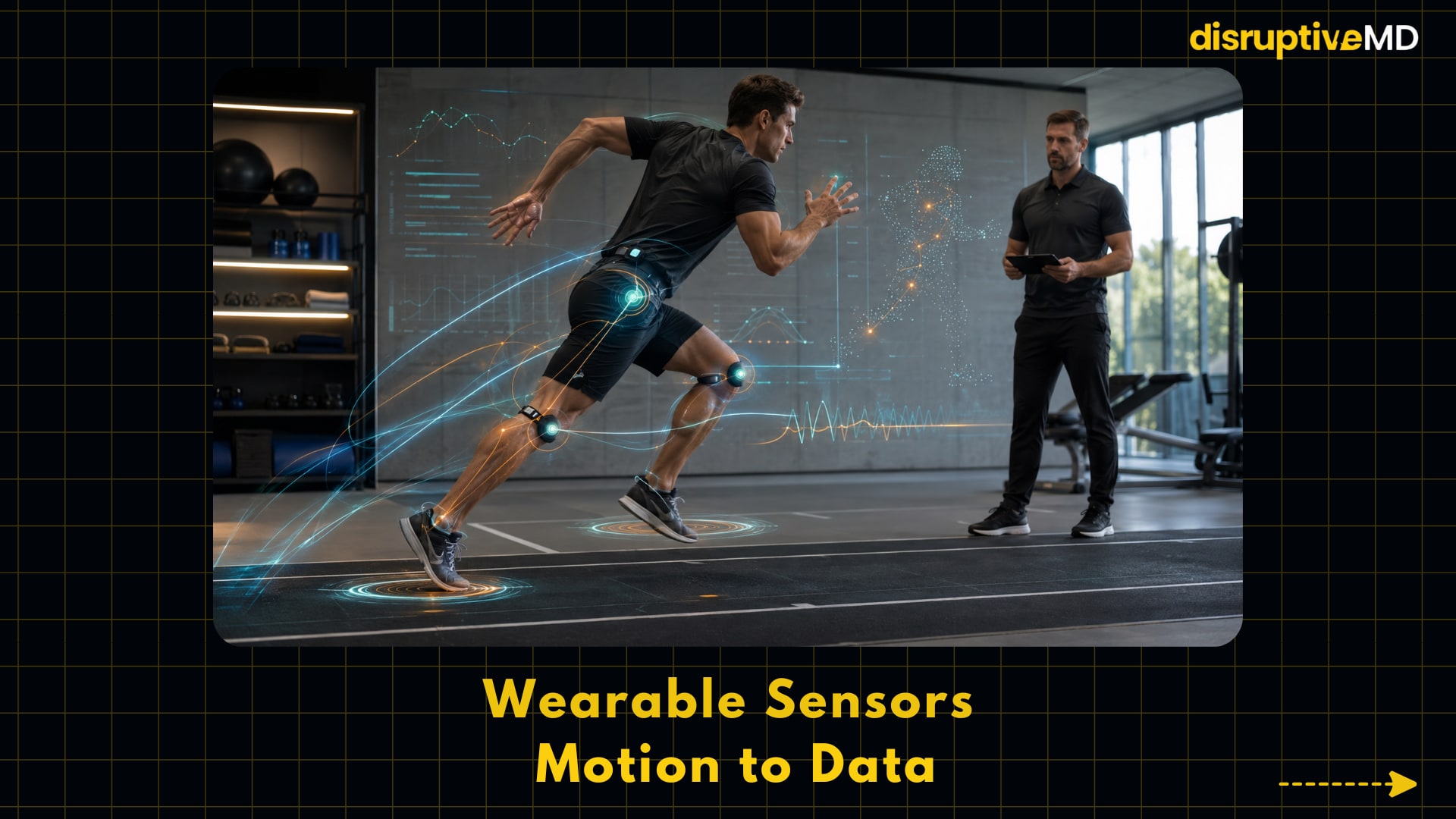
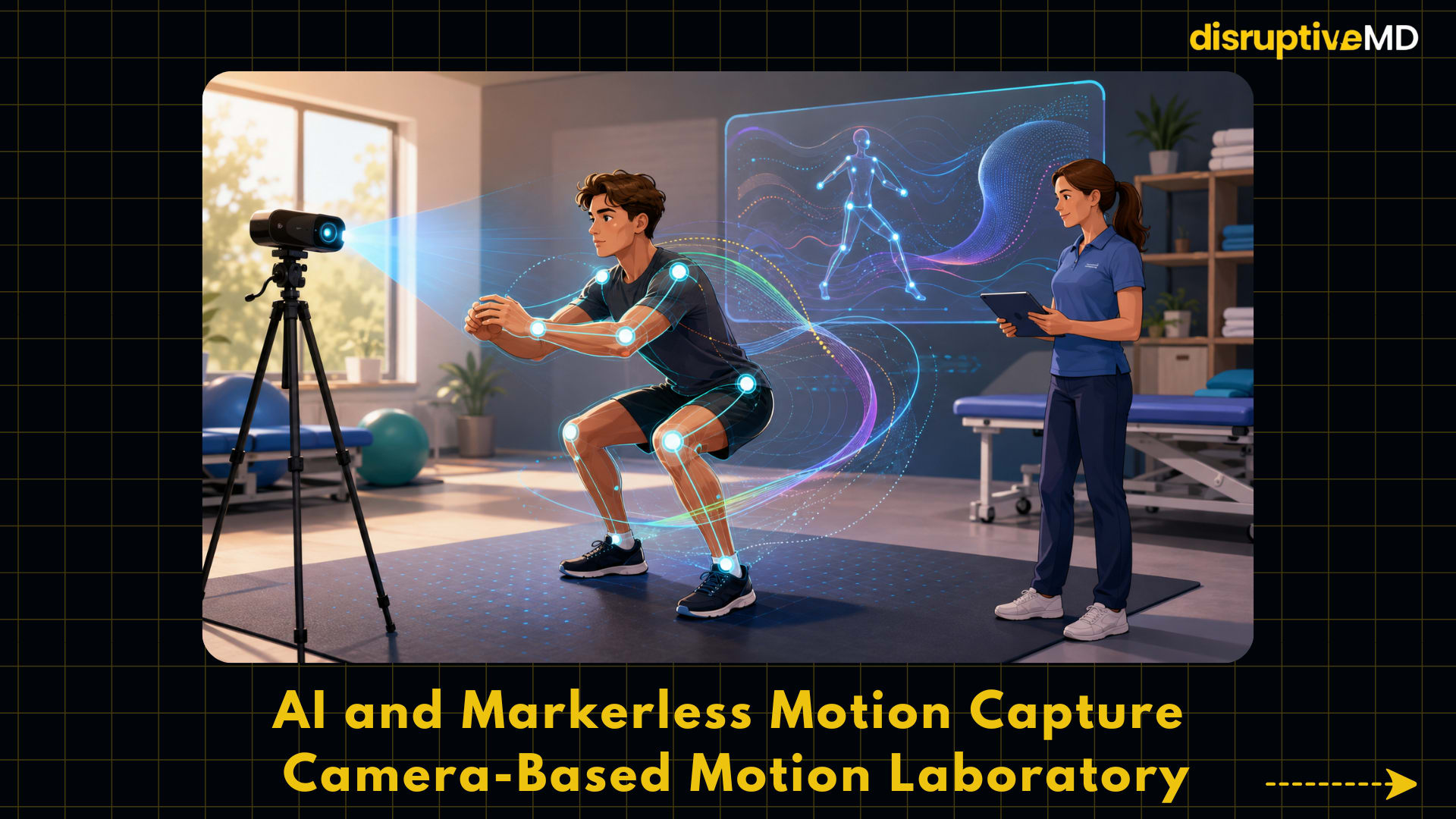
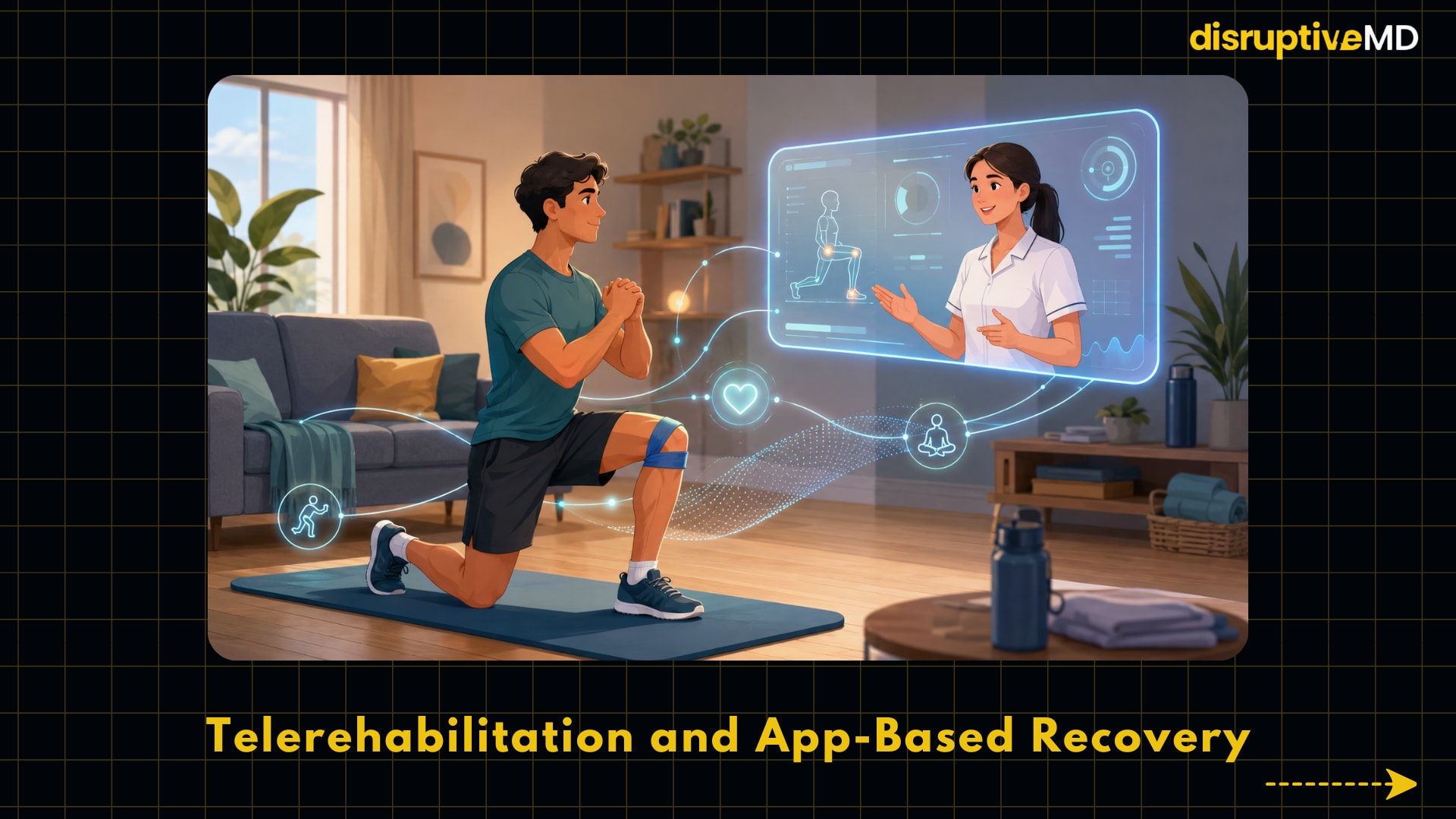
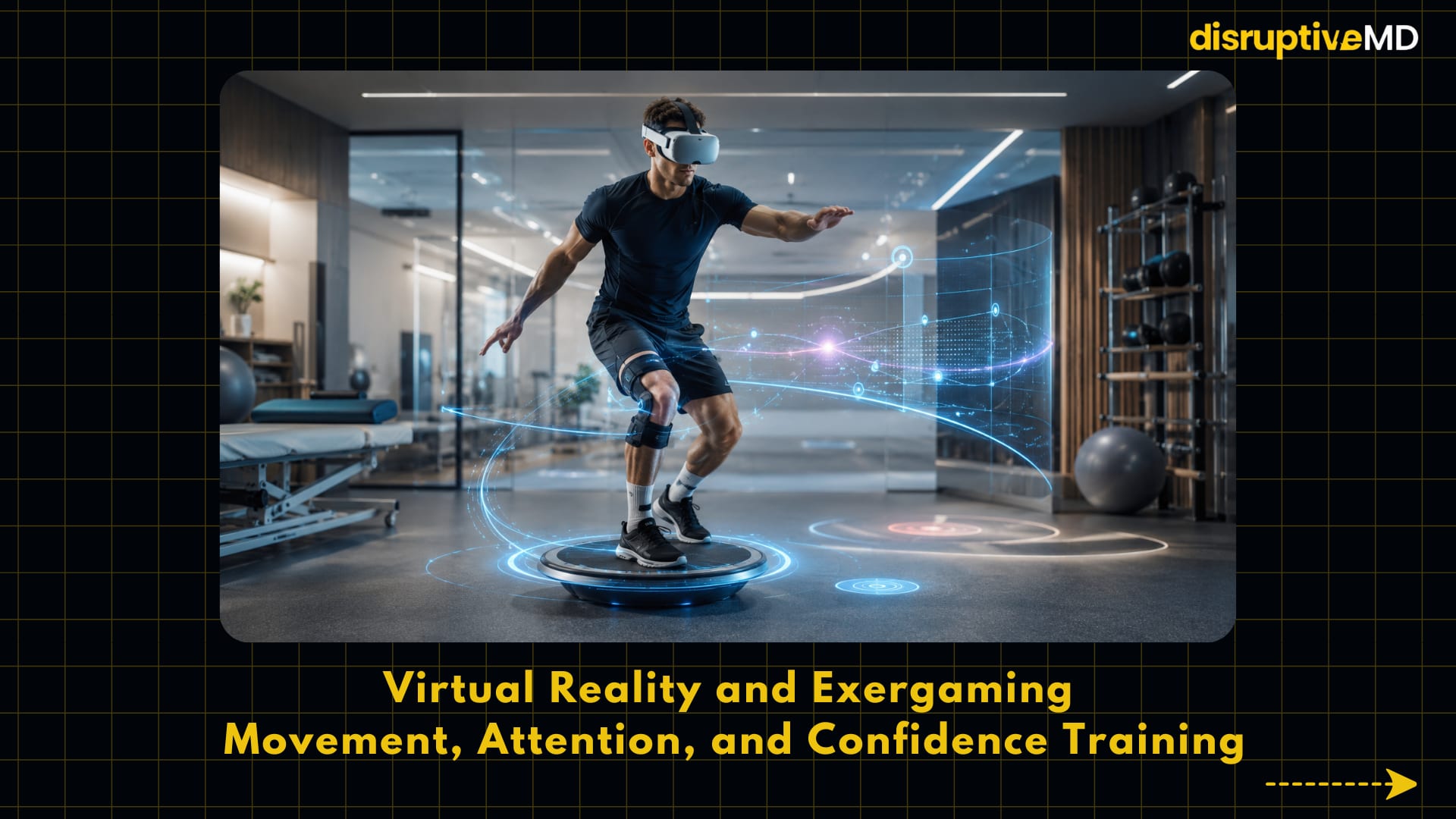
- Wearable sensors track movement, load, muscle activation, stride rhythm, impact load, and asymmetry.
- IMUs use accelerometers and gyroscopes to measure acceleration and rotation during running or rehab.
- Wearables can reveal hidden movement deficits that may not be visible during routine clinic assessment.
What These Five Technologies Do
1. Wearable Sensors: Motion to Data
Wearable sensors are small devices that are attached to the body, shoes or clothing, to assess movement, load and sometimes muscle activation. Sports physiotherapists utilize inertial measurement units (IMUs) that combine accelerometers and gyroscopes to monitor acceleration and rotation, stride rhythm, impact load and asymmetry during running or rehabilitation programs. A systematic review of the use of wearable sensors for gait analysis in athletes in 2026 identified 22 studies including a total of 1,040 participants. Emerging evidence indicates that well-placed sensors can aid in monitoring loading patterns, fatigue, gait control and rehabilitation progress, although most evidence is still observational and not trial-based. This is crucial since recovery is usually evaluated based on observable performance, however concealed movement asymmetries may remain. A runner with a bone stress injury, an athlete with an anterior cruciate ligament injury or a footballer with a hamstring strain may look functional in clinic but may nevertheless overload one side in sport-specific activity. Wearables can complement clinical judgment by providing continuous, real-world assessment. It’s not just raw data — their usefulness depends on precise sensors, standardized placement, professional training, and clinically meaningful thresholds.
2. AI and Markerless Motion Capture: Camera-Based Motion Laboratory
Artificial intelligence, or AI, in sports physiotherapy is mostly algorithms that recognize patterns in movement, symptoms or performance data. For example, markerless motion capture is the use of video to estimate the position of human joints, and to convert the movements into quantifiable kinematic data (joint angles, duration, motion patterns) without the need for reflecting markers on the body in a lab. A systematic analysis in 2023 found 65 peer-reviewed studies that employed markerless motion capture for clinical measurement in rehabilitation but concluded that the use of markerless motion capture in the clinic is still experimental and requires more user-friendly, accurate platforms before widespread use. This device could deliver high quality movement analysis to clinics, teams and home-based rehabilitation programs. Doctors could one day use smartphone or camera-based systems to assess squat mechanics, landing control, gait, cutting movement and workout quality, rather than just eye inspection. The key limitation is that the algorithms may fail if the illumination, the camera angle, the garments, the body type, the injury pattern or the sport-specific activity are different from those used to train the system. Thus AI should be used to augment, not replace, clinical judgment.
3. Telerehabilitation and App-Based Recovery: Outside the Clinic
“Telerehabilitation” refers to the remote provision of rehabilitation services through videoconferencing, exercise platforms, apps, sensors or digital follow-up. The application can also be used for sports physiotherapy, enabling therapists to monitor adherence to home exercises, provide real-time feedback on technique through video, change load between visits, and help athletes geographically away from specialist treatment. In 2024, a comprehensive review and meta-analysis of 37 clinical trials of internet-based telerehabilitation for musculoskeletal illnesses with 4,288 participants was carried out. The study indicated that telerehabilitation was better than control therapies for a number of outcomes, but the benefit was less obvious when compared directly with face-to-face rehabilitation. The actual world value is availability and continuity.” Rehab fails not because to a lack of knowledge of the activity but due to a lack of consistency in advancement, feedback and dedication. A 2024 umbrella review of 35 systematic reviews found that telemedicine can improve access to musculoskeletal care with generally noninferior outcomes for several clinical outcomes compared with conventional care, but highlighted important evidence gaps in objective measures, patient experience, adherence, and costs.
4. Virtual Reality and Exergaming: Movement, Attention, and Confidence Training
Virtual reality (VR) offers simulated environments that allow patients to do rehabilitation exercises while receiving visual feedback, while exergaming involves game-like movement challenges to increase interest and repetition. In sports physiotherapy, these tools can train balance, landing, response time, visual attention and sport-like decision-making under controlled conditions. A 2024 systematic review and meta-analysis of athletes included just four qualifying publications and showed some benefits in physical function and strength recovery, particularly in anterior cruciate ligament rehabilitation, however the results were highly heterogeneous. This is vital since returning to sport is not just a tissue healing issue, but also involves neuromuscular control, confidence, attention and the ability to move safely in changing environments. VR can be a safer bridge between straightforward clinic tasks and unexpected field activity. The disadvantage is that the data base for athletes is currently tiny with diverse study designs, small samples and inconsistent outcome measures so VR should be seen as an adjunct rather than a stand-alone alternative for progressive strength, conditioning and sport specific rehabilitation.
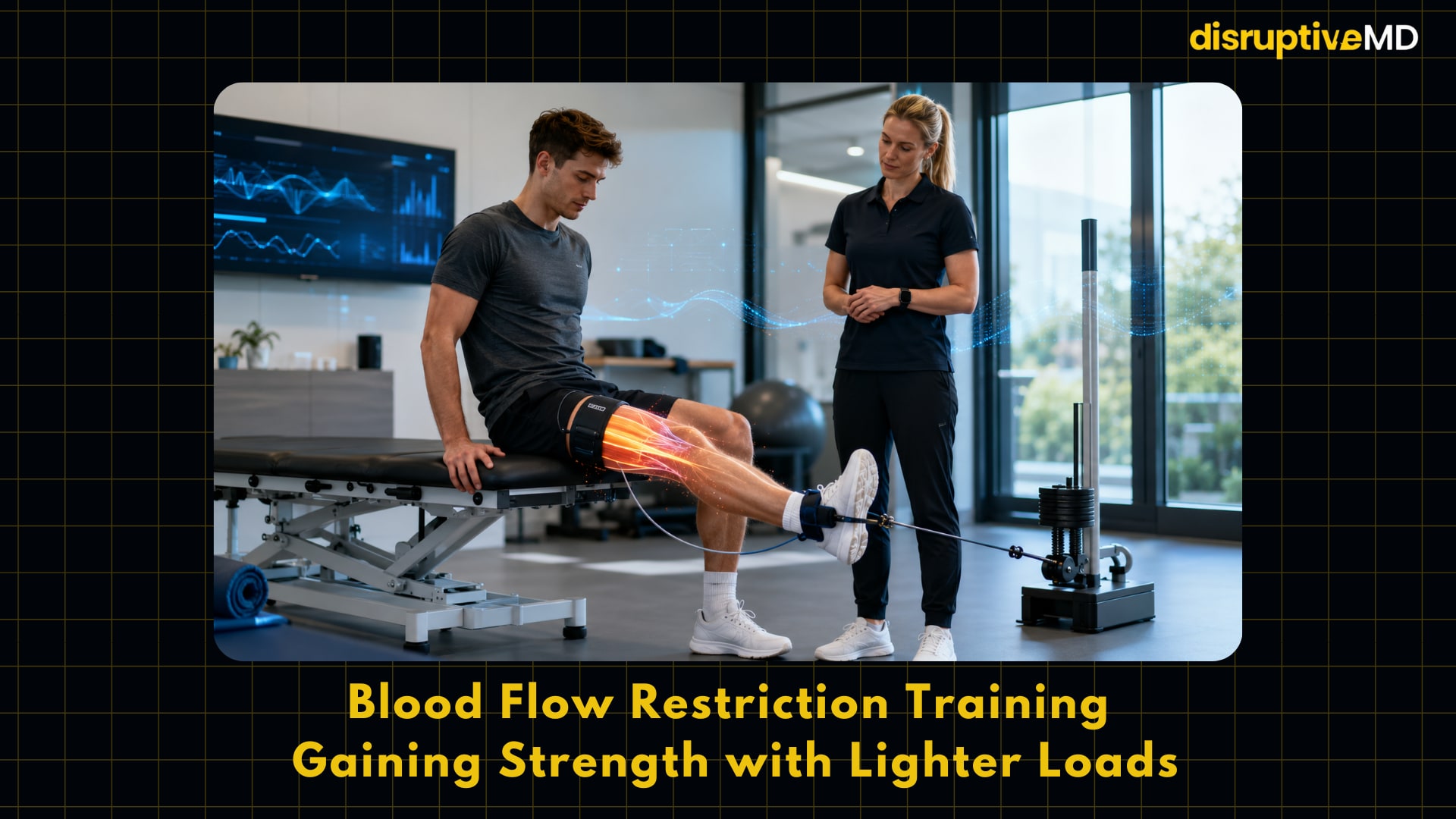
5. Blood Flow Restriction Training: Gaining Strength with Lighter Loads
Blood flow restriction training (BFR training) is a sort of low-load exercise where a cuff is fitted to partially block arterial inflow and reduce venous outflow. In short, the muscle is operating in a controlled low oxygen, high metabolic stress environment that can trigger strength and hypertrophy responses despite lifting less weight than traditional resistance training. This is attractive early in the course of sports rehabilitation, especially after surgery or an acute injury when too much resistance could aggravate pain, edema, graft protection concerns or tendon sensitivity. The evidence is encouraging, but not conclusive. In 2024, a systematic review of BFR after ACL injury identified five eligible studies and concluded that BFR may be beneficial for muscle strength, muscle size and patient-reported outcome measures compared to standard rehabilitation alone, but only one large study included all the main outcomes and the methods were heterogeneous. A further meta-analysis of athletes in 2024 found physical fitness measures including as strength, power, speed, endurance and body composition to improve although athlete performance tests are not the same as post-injury rehabilitation trials.
Evidence and Real-World Meaning
The most powerful practical message is that these technologies are most beneficial when they are targeted to a specific rehabilitation need. Wearables can measure loading and asymmetry . AI motion analysis can make assessment of movement more scalable . Telerehabilitation can enhance access and continuity . VR can enhance motor learning and engagement . BFR can support strengthening when high-load training is temporarily inadvisable . None of these strategies removes the need for diagnosis, clinical assessment, progressive exercise prescription or shared return to sport decision making.
The evidence basis for sports physiotherapy is diverse, it is more difficult to investigate than a single drug or gadget . Athletes differ by sport, age, gender, type of injury, level of competitiveness, psychology, training load, and availability for care. A network meta-analysis of AI-assisted rehabilitation for musculoskeletal disorders in 2025 included 33 randomized controlled studies . Several AI-supported therapies had favorable impacts on pain, function, and range of motion . However, the authors also cautioned that most trials were short-term and the durability of effects over the long term is unknown.
Limitations, Risks, and Unanswered Questions
The main disadvantage is validation. A wearable asymmetry sensor or an AI-scorer of a squat or a VR engagement platform is not proved per se to reduce reinjury or improve long-term return to sport outcomes. Several assessments point out heterogeneity, i.e. different devices, protocols, demographics, results and follow-up periods which does not allow to develop universal therapy standards. Safety & governance are also vital. BFR necessitates screening, adequate cuff pressure, monitoring and caution in individuals with vascular or cardiovascular risk as uncommon serious complications have been recorded such as thrombosis, nerve injury or rhabdomyolysis. There’s a slew of issues with AI and app-based solutions, including data privacy, bias in algorithms, no clear accountability, and whether or not a product is a wellness aid or a regulated medical device. The FDA says AI-enabled medical devices certified for marketing in the U.S. are subject to applicable premarket assessment, but its list of AI-enabled items is not exhaustive. Cost and access may determine real-world impact. The elite teams would be tempted to employ force plates, motion laboratories, wearables and VR systems, whilst community athletes and public health systems might have to be satisfied with cheaper telerehabilitation, smartphone video and simple sensor instruments. This raises the potential that current sports rehabilitation is more specific for athletes with sufficient resources, but less available to many persons also in need of good musculoskeletal therapy.
Conclusion
Sports physiotherapy of the future will probably be more monitored, more connected, more customized but not fully automated. The best gear will not be the most useful technology. They will be the instruments that will enable clinicians to answer practical questions: Loading both legs safely? Are we enhancing movement quality in fatigue? Is the recovery plan in place?” Will the strength return without too much scar tissue? Has the player been trained for that particular sport change? The five technologies—wearable sensors, AI motion analysis, telerehabilitation, VR-based rehabilitation and blood flow restriction training—can be best described as clinical amplifiers. Thoughtful use can increase measurement, feedback, access, engagement and load control. The impact will be determined by larger trials, better standards, suitable regulation and integration into clinician-led care rather than technology-led decision making.
Evidence Rating
Limited or mixed evidence. The evidence base for musculoskeletal problems in tele-rehabilitation is considerably more developed with systematic and comprehensive studies, although the sports-specific data is less established. Wearable sensors and markerless motion capture have a lot of technical momentum but still need standardized protocols and prospective validation. VR and AI-assisted rehabilitation have good short-term results but studies on athletes are small and heterogeneous. BFR offers a useful rehabilitative rationale and some evidence especially with low load strengthening. Protocols and long term effects are uncertain.
Educational Disclaimer
This information is provided solely for educational reasons and does not substitute professional medical advice, diagnosis, rehabilitation planning or treatment. A licensed health care provider should determine the return to sport following injury. This information is provided solely for educational reasons and does not substitute professional medical advice, diagnosis, rehabilitation planning or treatment. A licensed health care provider should determine the return to sport following injury.
References
- Seifi, V., Tavana, M.M., Soltani, S. et al. Clinical applications of wearable sensor-based gait analysis in athletes: a systematic review for injury prevention and rehabilitation.BMC Sports Sci Med Rehabil 18, 105 (2026). https://doi.org/10.1186/s13102-026-01564-5.
- Lam, Wing Tung ; Tang, Yuk Ming ; Fong, Kenneth N. K. / A systematic review of the applications of markerless motion capture (MMC) technology for clinical measurement in rehabilitation. In: Journal of NeuroEngineering and Rehabilitation. 2023 ; Vol. 20, No. 1. pp. 1-26.
- Nogales A, Rodríguez-Aragón M, García-Tejedor AJ. A systematic review of the application of deep learning techniques in the physiotherapeutic therapy of musculoskeletal pathologies. Computers in Biology and Medicine. 2024.
- Luo Z, Wang Y, Zhang T and Wang J (2025) Effectiveness of AI-assisted rehabilitation for musculoskeletal disorders: a network meta-analysis of pain, range of motion, and functional outcomes. Front. Bioeng. Biotechnol. 13:1660524. doi: 10.3389/fbioe.2025.1660524.
- Molina-Garcia P, Mora-Traverso M, Prieto-Moreno R, et al. Effectiveness and cost-effectiveness of telerehabilitation for musculoskeletal disorders: a systematic review and meta-analysis. 2024.
- Bargeri S, Castellini G, Vitale J, Guida S, Banfi G, Gianola S, Pennestrì F, Effectiveness of Telemedicine for Musculoskeletal Disorders: Umbrella Review, J Med Internet Res 2024;26:e50090, URL: https://www.jmir.org/2024/1/e50090, DOI: 10.2196/50090.
- Almansour, A. M. (2024). The Effectiveness of Virtual Reality in Rehabilitation of Athletes: A Systematic Review and Meta-Analysis. Journal of Pioneering Medical Sciences, 13(4), 147-154..
- Yang, K., Chee, C.S., Abdul Kahar, J. et al. Effects of blood flow restriction training on physical fitness among athletes: a systematic review and meta-analysis. Sci Rep 14, 16615 (2024). https://doi.org/10.1038/s41598-024-67181-9.
- Colombo V, Valenčič T, Steiner K, et al. Comparison of blood flow restriction interventions to standard rehabilitation after an anterior cruciate ligament injury: a systematic review. 2024.
- U.S. Food and Drug Administration. Artificial Intelligence-Enabled Medical Devices. Updated resource on AI-enabled medical device authorization and transparency.